Vitamin deficiencies are far more common than most people realize. Even if you think you’re eating “okay,” your body might still not be getting everything it needs. Vitamins play a big role in keeping your body energized, your immune system strong, and your organs functioning smoothly. When even one vitamin falls short, your body sends warning signs.
Why Vitamins Matter for Your Body
Think of vitamins as the tiny spark plugs that keep your internal engine running. Without them, your body struggles to convert food into energy, repair tissues, strengthen bones, and maintain healthy skin and blood. Each vitamin has a unique job, and together they form the foundation of good health.
How Common Are Vitamin Deficiencies?
You might be surprised—vitamin deficiencies are incredibly common worldwide. Busy lifestyles, processed foods, and limited sunlight exposure all contribute to the problem. Many people don’t notice until symptoms become persistent or severe.
Signs and Symptoms of Vitamin Deficiencies
General Symptoms to Watch For
Vitamin deficiencies often show up in subtle ways, such as:
- Constant tiredness
- Brittle nails
- Weak hair
- Poor immunity
- Mood changes
- Slow wound healing
If you’re experiencing several of these, a deficiency may be the cause.
Vitamin A Deficiency Signs
Vitamin A keeps your vision sharp and your skin healthy. When levels drop, you may notice:
- Night blindness
- Dry eyes
- Rough or dry skin
- Frequent infections
Vitamin B12 Deficiency Signs
Vitamin B12 is essential for nerve function and red blood cell formation. Deficiency signs include:
- Fatigue
- Tingling in hands and feet
- Memory problems
- Pale skin
- Shortness of breath
Vitamin C Deficiency Signs
Vitamin C boosts immunity and supports collagen production. Deficiency may cause:
- Frequent colds
- Gum bleeding
- Slow-healing wounds
- Dry skin
- Easy bruising
Vitamin D Deficiency Signs
Known as the “sunshine vitamin,” vitamin D supports bone health. Deficiency symptoms include:
- Bone pain
- Muscle weakness
- Mood swings
- Fatigue
- Frequent infections
Vitamin E Deficiency Signs
Vitamin E protects your cells from damage. Low levels may lead to:
- Muscle weakness
- Vision problems
- Immune system issues
Vitamin K Deficiency Signs
Vitamin K is essential for blood clotting. Deficiency signs include:
- Easy bruising
- Excessive bleeding from small cuts
- Heavy periods
Causes of Vitamin Deficiencies
Poor Diet and Unhealthy Eating Habits
If your diet is full of processed foods and low in fruits, vegetables, and whole grains, vitamin deficiencies are almost guaranteed. Skipping meals and fad diets can also make things worse.
Digestive Disorders and Absorption Issues
Conditions like:
- Crohn’s disease
- Celiac disease
- IBS
- Chronic diarrhea
can prevent your body from absorbing vitamins properly.
Medications That Affect Vitamin Levels
Some medications, including antacids, antibiotics, and diabetes drugs, can interfere with vitamin absorption or usage.
Lifestyle Factors (Sunlight, Alcohol, Smoking)
Not getting enough sunlight affects your vitamin D.
Smoking reduces vitamin C levels.
Excessive alcohol interferes with absorption of vitamins A, B, and E.
Age-Related Deficiency Risks
As you age, your body absorbs vitamins less efficiently, especially B12 and D. Older adults often need supplements to maintain healthy levels.
How to Correct Vitamin Deficiencies
Improving Your Daily Diet
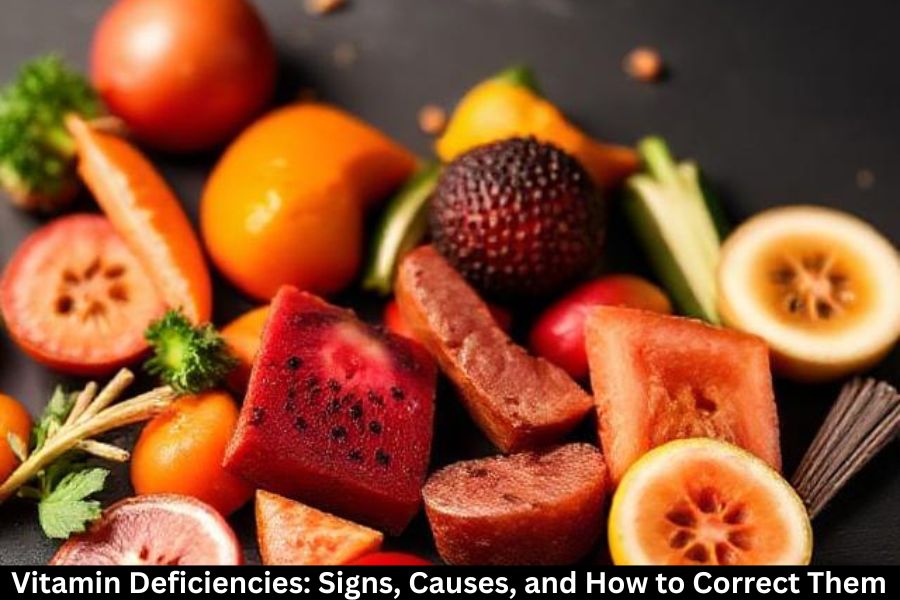
Your first step should always be food. Add more:
- Leafy greens
- Fresh fruits
- Whole grains
- Nuts and seeds
- Lean proteins
- Dairy or plant-based alternatives
A colorful plate often equals a balanced one.
Using Supplements Safely
Supplements can help when food isn’t enough. Always:
- Follow recommended doses
- Avoid self-diagnosis
- Get blood tests when needed
- Consult a doctor before starting new supplements
Too much of a vitamin can be just as harmful as too little.
When to See a Doctor
If symptoms persist despite dietary changes or if you feel severe fatigue, nerve problems, or unusual bleeding, seek medical help. Blood tests can confirm deficiencies accurately.
Lifestyle Changes to Maintain Healthy Vitamin Levels
- Get 15–20 minutes of sunlight daily
- Avoid excessive alcohol
- Quit smoking
- Stay physically active
These habits significantly improve nutrient absorption.
Prevention Tips
Balanced Diet Strategies
Aim for meals that include:
- Protein
- Healthy fats
- Fiber
- Fresh produce
Eating a variety of foods ensures you get a wide range of vitamins.
Smart Sun Exposure
Moderate sun exposure boosts vitamin D naturally. Aim for morning sunlight when possible.
Routine Health Checkups
Regular health checkups help detect deficiencies early—before symptoms worsen.
Conclusion
Vitamin deficiencies may seem minor at first, but ignoring them can lead to long-term health problems. The good news? Most deficiencies are easy to fix with a nutritious diet, healthy lifestyle habits, and timely medical support. Your body deserves the right fuel, and giving it the vitamins it needs can transform your energy, mood, and overall well-being.
FAQs
How do I know if I have a vitamin deficiency?
Common symptoms include fatigue, hair loss, brittle nails, and frequent infections. A blood test gives the most accurate diagnosis.
Can vitamin deficiencies cause anxiety or mood swings?
Yes. Deficiencies in B vitamins, vitamin D, and magnesium may affect mood and mental health.
How long does it take to correct a deficiency?
Depending on severity, it can take a few weeks to several months.
Are supplements safe to take daily?
Yes, when taken at recommended doses. Always consult a healthcare provider before starting supplements.
Can I get all vitamins from food alone?
Most people can, but some may need supplements due to medical conditions, lifestyle habits, or age.