Tuberculosis (TB) is one of the world’s oldest and most persistent infectious diseases, yet it continues to affect millions of people every year. Despite being preventable and treatable, TB remains a major public health concern, particularly in developing countries. Understanding what causes tuberculosis, how it spreads, and how it can be treated is essential in dispelling myths and promoting early diagnosis and proper care.
What Is Tuberculosis?
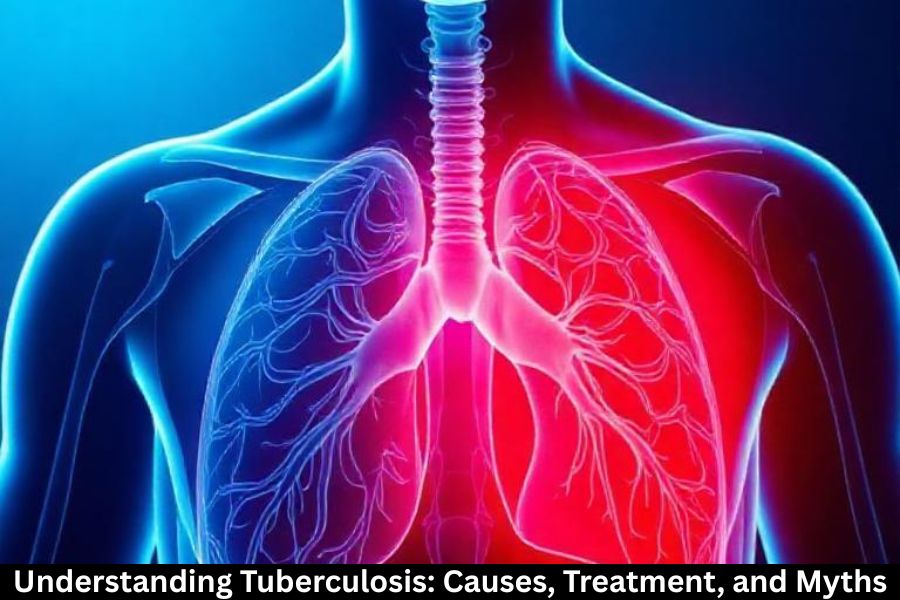
Tuberculosis is an infectious disease caused by the bacterium Mycobacterium tuberculosis, which primarily affects the lungs (pulmonary TB) but can also impact other parts of the body such as the brain, spine, kidneys, and bones (extrapulmonary TB).
TB spreads through the air when a person with active pulmonary TB coughs, sneezes, or speaks. However, it is not spread by casual contact such as shaking hands, sharing food, or touching surfaces.
Causes and Risk Factors
The main cause of TB is infection with the Mycobacterium tuberculosis bacteria. However, not everyone infected becomes sick. There are two main forms:
- Latent TB infection: The bacteria remain in the body in an inactive state and cause no symptoms. People with latent TB are not contagious.
- Active TB disease: The bacteria become active, multiply, and cause symptoms. This form is contagious and requires immediate treatment.
Certain factors increase the risk of developing active TB:
- Weakened immune system (due to HIV, diabetes, or certain medications)
- Malnutrition
- Smoking and substance abuse
- Living in crowded or unsanitary conditions
- Lack of access to healthcare
Common Symptoms of TB
The symptoms of pulmonary tuberculosis include:
- Persistent cough lasting more than 3 weeks
- Chest pain or difficulty breathing
- Coughing up blood or mucus
- Unexplained weight loss
- Fever and night sweats
- Fatigue and weakness
If TB affects other organs, symptoms can vary. For example, TB of the spine may cause back pain, while TB of the kidneys might cause blood in the urine.
Diagnosis and Treatment
Early diagnosis is key to preventing the spread of TB. Doctors may use several tests, including:
- Tuberculin skin test (Mantoux test)
- Blood tests (IGRA tests)
- Chest X-rays
- Sputum tests to detect TB bacteria
Treatment for TB involves a combination of antibiotics taken for 6 to 9 months. The most common drugs include isoniazid, rifampicin, ethambutol, and pyrazinamide. It’s crucial to complete the full course of treatment, even if symptoms improve early. Incomplete treatment can lead to drug-resistant TB, a more difficult and dangerous form of the disease.
For latent TB, preventive treatment is also available to stop the infection from becoming active.
Common Myths About Tuberculosis
Myth 1: TB is a disease of the past.
Fact: TB still affects millions globally. According to the World Health Organization (WHO), TB remains one of the top 10 causes of death worldwide.
Myth 2: TB spreads through touch or sharing utensils.
Fact: TB spreads through the air—not through physical contact, food, or objects.
Myth 3: Only poor people get TB.
Fact: While TB is more common in low-income areas due to poor living conditions, anyone can get infected regardless of status or background.
Myth 4: TB is always fatal.
Fact: TB is curable with proper treatment and adherence to medical guidance. Early detection significantly improves outcomes.
Myth 5: Once treated, TB can’t come back.
Fact: TB can recur, especially in people with weak immune systems or incomplete treatment.
Preventing Tuberculosis
- Get vaccinated: The BCG vaccine helps protect children from severe forms of TB.
- Maintain good ventilation: Fresh air reduces the concentration of airborne bacteria.
- Cover mouth and nose: When coughing or sneezing, cover with a tissue or elbow to prevent spread.
- Healthy lifestyle: Good nutrition, regular exercise, and avoiding smoking strengthen immunity.
- Complete treatment: Following the full course of TB medication prevents relapse and resistance.
Conclusion
Tuberculosis is a serious but preventable and treatable disease. With early detection, proper medication, and awareness, millions of lives can be saved each year. Dispelling myths and promoting education about TB can help reduce stigma, encourage testing, and ensure that people get the care they need.
A world free from tuberculosis is possible—but only through understanding, compassion, and commitment to prevention and treatment.