What Is Diabetes?
Diabetes is a chronic condition in which the body either doesn’t produce enough insulin or can’t use it properly. Insulin is the hormone responsible for regulating blood sugar levels. When it doesn’t work the way it should, glucose builds up in the bloodstream, leading to a range of health problems.
Why Understanding Diabetes Matters
With millions of people affected worldwide, diabetes has become one of the most common health issues today. Understanding how it develops, how to spot symptoms early, and how to manage it long-term can help you stay healthier and prevent complications.
Types of Diabetes
Type 1 Diabetes
Type 1 diabetes is an autoimmune condition where the body’s immune system mistakenly attacks insulin-producing cells in the pancreas. People with this type must rely on insulin injections throughout their lives.
Type 2 Diabetes
The most common type, Type 2 diabetes, occurs when the body becomes resistant to insulin or doesn’t make enough of it. Poor diet, lack of exercise, and excess weight often play major roles.
Gestational Diabetes
This type develops during pregnancy due to hormonal changes. It usually goes away after childbirth, but it increases the risk of Type 2 diabetes later in life.
Prediabetes and Its Warning Signs
Prediabetes means your blood sugar levels are higher than normal but not high enough to be considered diabetes. It is a major warning sign and can often be reversed with lifestyle changes.
Main Causes of Diabetes
Genetic Factors
Family history plays a huge role. If a parent or sibling has diabetes, your risk increases significantly.
Lifestyle-Related Factors
Poor eating habits, lack of exercise, obesity, and chronic stress contribute to the development of Type 2 diabetes.
Autoimmune Issues
In Type 1 diabetes, the body’s immune system mistakenly destroys insulin-producing cells.
Hormonal Changes During Pregnancy
Pregnant women experience hormonal shifts that may interfere with insulin function, causing gestational diabetes.
Common Symptoms of Diabetes
Early Warning Symptoms
- Increased thirst
- Frequent urination
- Unexplained weight loss
- Fatigue
- Blurred vision
Severe or Advanced Symptoms
- Slow wound healing
- Recurrent infections
- Tingling or numbness in hands and feet
Symptoms That Often Go Unnoticed
Many people don’t notice early signs, especially with Type 2 diabetes, which can develop slowly over several years.
How Diabetes Affects the Body
Impact on Blood Vessels
High blood sugar damages blood vessels, which increases the risk of heart disease and stroke.
Impact on the Heart
People with diabetes are more likely to suffer from high blood pressure, clogged arteries, and heart attacks.
Impact on Eyes, Nerves, and Kidneys
Diabetes can lead to retinopathy (vision loss), neuropathy (nerve pain), and nephropathy (kidney damage).
Diagnosing Diabetes
Common Diagnostic Tests
Fasting Blood Sugar Test
Measures blood sugar after fasting for at least 8 hours.
HbA1c Test
Shows average blood sugar levels over the past 2–3 months.
Oral Glucose Tolerance Test
Measures how your body processes glucose after drinking a sugary solution.
Random Blood Sugar Test
Checks blood sugar levels at any time without fasting.
Long-Term Management of Diabetes
Healthy Eating Habits
Balanced meals with whole grains, lean proteins, healthy fats, and plenty of vegetables help control blood sugar levels.
Regular Physical Activity
Exercise improves insulin sensitivity and helps maintain a healthy weight. Aim for at least 30 minutes most days.
Medication and Insulin Therapy
Some people need medication, while others require insulin injections. Treatment depends on the type and severity of diabetes.
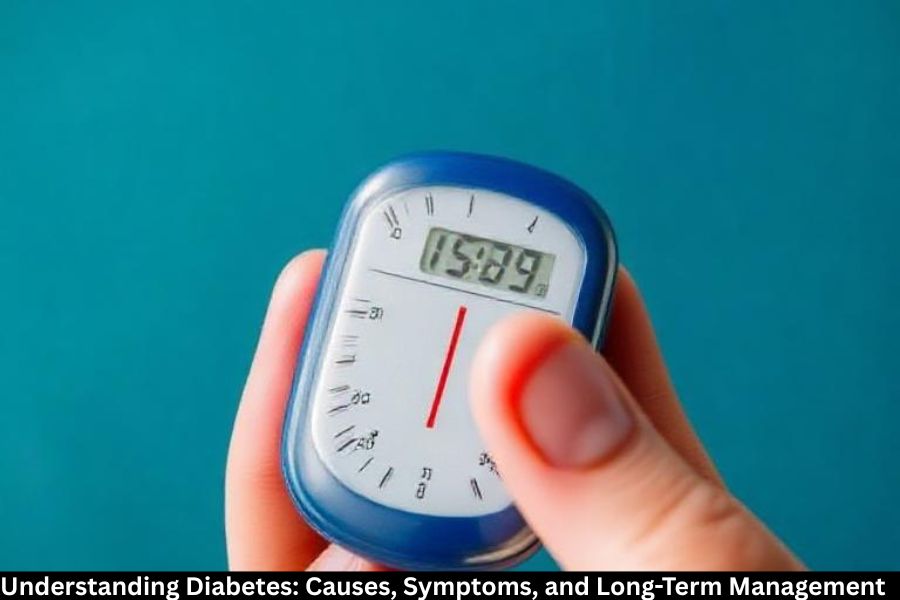
Monitoring Blood Sugar Levels
Tracking glucose levels helps prevent sudden spikes or drops and keeps long-term management on track.
Preventing Complications
Regular checkups, foot care, eye exams, and maintaining healthy lifestyle habits are essential.
Lifestyle Tips for Living Well with Diabetes
Stress Management
Stress increases blood sugar levels. Activities like meditation, yoga, and deep breathing can help.
Weight Management
Losing even a small amount of weight can improve insulin sensitivity and reduce symptoms.
Importance of Sleep
Poor sleep affects insulin function. Aim for 7–9 hours per night.
When to See a Doctor
Sudden Symptoms
If you experience severe thirst, rapid weight loss, or dizziness, seek medical attention immediately.
Managing Emergencies Like Hypoglycemia or Hyperglycemia
Low or high blood sugar can be dangerous. Understanding the signs and having a management plan is crucial.
Conclusion
Diabetes may be a lifelong condition, but with the right knowledge and habits, it can be managed effectively. By understanding its causes, symptoms, and long-term care strategies, you can take control of your health and live a full, active life. Early diagnosis and consistent management are the keys to preventing complications and staying healthy for years to come.
FAQs
Can diabetes be cured?
Currently, diabetes cannot be cured, but it can be managed effectively through lifestyle changes, medication, and insulin therapy.
Is Type 2 diabetes reversible?
Prediabetes and early Type 2 diabetes can sometimes be reversed with significant lifestyle changes, such as weight loss and regular exercise.
How often should I check my blood sugar?
The frequency depends on your treatment plan. Some people check multiple times daily, while others may check less often.
Are sugary foods completely off-limits?
Not necessarily. You can enjoy sweets in moderation if they fit into your meal plan and overall calorie goals.
Can stress cause diabetes?
Stress alone doesn’t cause diabetes, but chronic stress can influence eating habits, hormone levels, and blood sugar regulation.