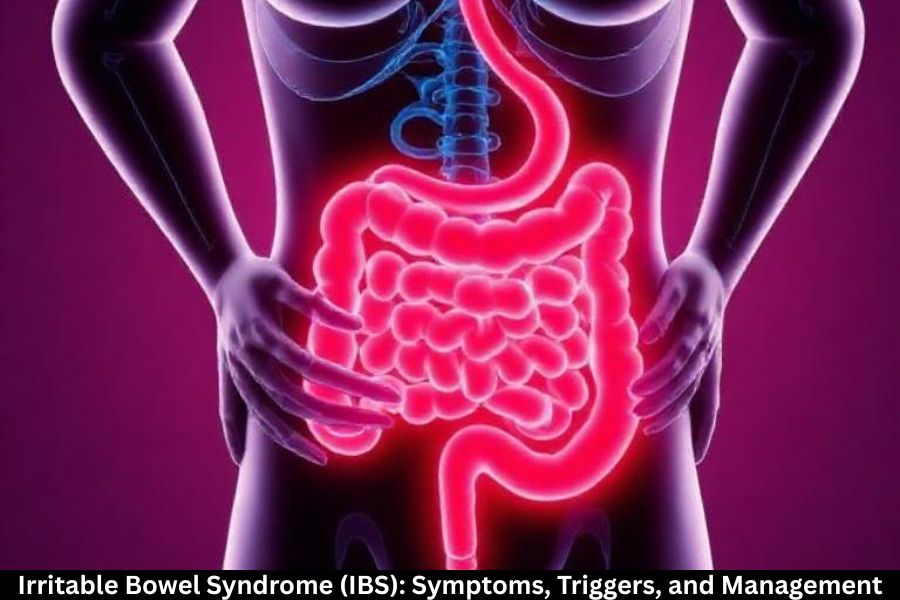
In recent years, the phrase “gut health” has gained immense attention — and for good reason. Scientists and healthcare experts now recognize that the gut is not just a digestive organ; it’s a central hub influencing nearly every aspect of human health. From your immune system to your mental well-being, the gut plays a vital role in keeping your body balanced and disease-free.
Emerging research shows a strong connection between gut health and chronic illnesses, including diabetes, heart disease, autoimmune disorders, and even depression. Understanding this connection is the first step toward improving overall wellness and preventing long-term health problems.
What Is Gut Health?
Gut health refers to the proper functioning of your digestive tract — especially the balance of microorganisms living in your intestines, known as the gut microbiome.
Your gut microbiome contains trillions of bacteria, fungi, and viruses, both good and bad. When these microorganisms coexist in balance, they aid digestion, support immunity, and help regulate inflammation.
However, when this balance is disrupted — a condition known as gut dysbiosis — it can trigger a chain reaction affecting multiple systems in the body, leading to chronic inflammation and disease.
The Gut: Your Body’s Second Brain
The gut and the brain are closely connected through the gut-brain axis — a communication network linking the enteric nervous system (in the gut) to the central nervous system (in the brain).
This connection explains why stress can cause digestive issues and why poor gut health can contribute to anxiety or depression. In fact, the gut produces about 90% of the body’s serotonin, a key hormone that regulates mood and happiness.
A healthy gut not only supports mental health but also improves your immune response and helps prevent chronic diseases.
How Gut Health Influences Chronic Illnesses
Let’s explore how an unhealthy gut can contribute to some of the most common chronic diseases today.
Obesity and Metabolic Syndrome
An imbalanced gut microbiome can interfere with metabolism and energy regulation. Certain bacteria promote fat storage and increase appetite, making it harder to maintain a healthy weight.
Studies have shown that people with obesity tend to have less diverse gut bacteria, which affects how the body processes nutrients.
Type 2 Diabetes
Gut dysbiosis contributes to insulin resistance and chronic inflammation — two key factors in the development of type 2 diabetes.
A healthy gut helps regulate blood sugar levels by producing short-chain fatty acids (SCFAs) that improve insulin sensitivity.
Heart Disease
Poor gut health can raise the risk of heart disease. Some gut bacteria produce trimethylamine N-oxide (TMAO) when digesting certain foods like red meat, which has been linked to plaque buildup in arteries.
Balancing your gut bacteria can reduce inflammation and improve cholesterol levels, protecting your heart.
Autoimmune Diseases
Since about 70% of the immune system resides in the gut, an imbalance can lead to an overactive immune response.
This may cause the immune system to mistakenly attack healthy tissues, resulting in autoimmune conditions like rheumatoid arthritis, lupus, or inflammatory bowel disease (IBD).
Digestive Disorders
Conditions like Irritable Bowel Syndrome (IBS), Crohn’s disease, and ulcerative colitis are directly linked to poor gut health. These disorders often stem from inflammation, food sensitivities, and imbalanced gut bacteria.
Mental Health Disorders
The gut-brain connection means that an unhealthy gut can lead to mental health challenges.
Gut bacteria produce neurotransmitters like serotonin and dopamine, which influence mood, stress levels, and sleep. Dysbiosis can lead to anxiety, depression, or brain fog.
Allergies and Asthma
An unhealthy gut may increase the body’s inflammatory response, leading to a higher risk of allergic reactions and asthma. Maintaining a balanced microbiome supports immune tolerance and reduces overreactions to allergens.
Signs of an Unhealthy Gut
Your gut often sends signals when something is wrong. Common symptoms of poor gut health include:
- Bloating, gas, or indigestion
- Constipation or diarrhea
- Unexplained fatigue
- Skin issues like acne or eczema
- Frequent illnesses
- Food intolerances
- Brain fog or mood swings
If these symptoms persist, it’s important to seek medical advice and take steps to restore gut balance.
How to Improve and Protect Gut Health
The good news is that improving your gut health doesn’t require drastic measures. Small, consistent lifestyle changes can make a huge difference.
Eat a Balanced, Fiber-Rich Diet
Fiber feeds the beneficial bacteria in your gut. Include plenty of:
- Fruits and vegetables
- Whole grains
- Legumes
- Nuts and seeds
These foods promote the growth of good bacteria and improve digestion.
Add Fermented and Probiotic Foods
Foods like yogurt, kefir, kimchi, sauerkraut, and kombucha contain live probiotics that enhance gut diversity.
You can also take probiotic supplements, but it’s best to consult a doctor first to find the right strain and dosage.
Limit Processed Foods and Sugar
High sugar and processed food intake promote the growth of harmful bacteria. Reducing these foods can help restore microbial balance and reduce inflammation.
Stay Hydrated
Water aids digestion and helps nutrients move through your system efficiently. Proper hydration also supports the gut lining and prevents constipation.
Manage Stress
Chronic stress negatively impacts the gut-brain connection.
Try:
- Meditation or mindfulness
- Deep breathing exercises
- Yoga or gentle movement
- Adequate sleep
Avoid Unnecessary Antibiotic Use
While antibiotics can save lives, overuse can destroy beneficial gut bacteria. Always take antibiotics only when prescribed and follow your doctor’s directions carefully.
Get Enough Sleep
Poor sleep disrupts hormone regulation and gut microbial balance. Aim for 7–9 hours of quality sleep each night to support healthy digestion and immune function.
When to Seek Medical Advice
If you experience ongoing digestive problems, fatigue, or inflammation-related symptoms, consult a healthcare professional. Tests like stool analysis, food sensitivity testing, or gut microbiome analysis can help identify imbalances and guide treatment.
Conclusion
Your gut is much more than a digestive organ — it’s a key player in your immune system, metabolism, and mental health. The link between gut health and chronic illnesses underscores how interconnected the human body truly is.
By nourishing your gut with healthy foods, managing stress, and maintaining a balanced lifestyle, you can strengthen your overall health and reduce the risk of chronic diseases.
A healthy gut means a healthier you — one mindful bite, breath, and thought at a time.