High blood pressure, or hypertension, is often called the “silent killer” — and for good reason. It can damage your body for years without showing noticeable symptoms, increasing the risk of serious health problems such as heart disease, stroke, and kidney failure. Understanding hypertension, its causes, and how to manage it is crucial for maintaining long-term health and preventing life-threatening complications.
What Is Hypertension?
Hypertension occurs when the force of blood against the walls of your arteries remains consistently too high. This pressure makes your heart work harder to pump blood throughout the body, eventually weakening blood vessels and vital organs.
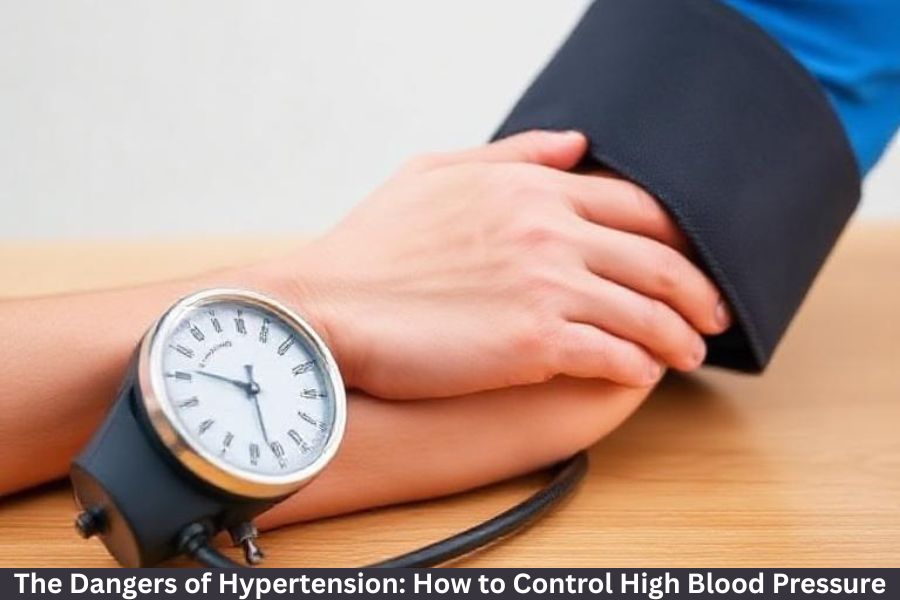
Blood pressure is measured in millimeters of mercury (mmHg) and recorded with two numbers:
- Systolic pressure (top number): The pressure when the heart beats.
- Diastolic pressure (bottom number): The pressure when the heart rests between beats.
Blood Pressure Categories (According to the American Heart Association):
- Normal: Less than 120/80 mmHg
- Elevated: 120–129 / less than 80 mmHg
- Stage 1 Hypertension: 130–139 / 80–89 mmHg
- Stage 2 Hypertension: 140 or higher / 90 or higher mmHg
- Hypertensive Crisis: Higher than 180/120 mmHg (requires immediate medical attention)
Causes and Risk Factors of Hypertension
Hypertension can be caused by a variety of lifestyle factors, medical conditions, and genetic influences.
Unhealthy Diet
Consuming too much salt (sodium), saturated fat, and processed foods can increase blood pressure. A diet low in potassium also contributes to imbalance in sodium levels.
Lack of Physical Activity
A sedentary lifestyle weakens the heart and blood vessels, making it harder for blood to circulate efficiently.
Obesity
Excess body weight increases the workload on the heart, leading to higher blood pressure levels.
Stress
Chronic stress causes the body to release hormones that temporarily increase blood pressure. Over time, this can lead to sustained hypertension.
Smoking and Alcohol Consumption
Nicotine narrows blood vessels, while excessive alcohol intake raises blood pressure and damages the arteries.
Family History and Age
Genetic factors and aging both increase the risk of developing hypertension. As arteries stiffen with age, blood pressure naturally tends to rise.
Underlying Health Conditions
Diabetes, kidney disease, thyroid disorders, and certain medications can also contribute to high blood pressure.
The Hidden Dangers of Uncontrolled Hypertension
Hypertension may not cause symptoms at first, but over time, it silently damages vital organs, leading to severe complications.
Heart Disease
High blood pressure thickens arteries and weakens the heart muscle, increasing the risk of heart attacks, heart failure, and arrhythmias.
Stroke
When high pressure damages brain arteries, it can lead to bleeding (hemorrhagic stroke) or blockage (ischemic stroke).
Kidney Damage
Hypertension is a leading cause of chronic kidney disease (CKD) because it impairs the kidneys’ ability to filter waste.
Vision Loss
High blood pressure can damage the delicate blood vessels in the eyes, leading to hypertensive retinopathy and, in severe cases, blindness.
Aneurysm
Consistent pressure weakens arterial walls, potentially causing a ruptured aneurysm, a life-threatening emergency.
Cognitive Decline
Long-term hypertension affects blood flow to the brain, contributing to dementia and memory problems.
Symptoms of High Blood Pressure
Most people with hypertension experience no obvious signs until complications arise, which is why regular screening is essential. However, in some cases, individuals may experience:
- Severe headaches
- Dizziness or blurred vision
- Chest pain
- Shortness of breath
- Nosebleeds
If you experience these symptoms and have high readings, seek medical attention immediately.
How to Control and Prevent High Blood Pressure
The good news is that hypertension is highly manageable through lifestyle changes, medication, and routine monitoring.
Adopt a Heart-Healthy Diet
Follow the DASH (Dietary Approaches to Stop Hypertension) diet, which emphasizes:
- Fresh fruits and vegetables
- Whole grains and lean proteins
- Low-fat dairy products
- Foods rich in potassium, magnesium, and calcium
- Reducing salt intake to less than 1,500 mg per day
Avoid processed foods, sugary drinks, and excessive caffeine.
Exercise Regularly
Engaging in 30 minutes of moderate activity at least five days a week helps lower blood pressure naturally.
Try:
- Walking
- Swimming
- Cycling
- Yoga or light stretching
Physical activity strengthens the heart and improves blood circulation.
Maintain a Healthy Weight
Losing even a small amount of weight can significantly reduce blood pressure levels. Aim for a body mass index (BMI) within the healthy range (18.5–24.9).
Limit Alcohol and Quit Smoking
- Alcohol: Limit to no more than one drink per day for women and two for men.
- Smoking: Quitting improves blood vessel health and reduces heart disease risk almost immediately.
Manage Stress
Chronic stress can lead to persistent high blood pressure. Incorporate relaxation techniques such as:
- Deep breathing exercises
- Meditation or mindfulness
- Spending time outdoors
- Listening to calming music
6. Monitor Your Blood Pressure Regularly
Home blood pressure monitors allow you to track readings between doctor visits. Keep a log to share with your healthcare provider for better management.
Take Medications as Prescribed
If lifestyle changes alone are not enough, your doctor may prescribe antihypertensive medications such as:
- Diuretics (to remove excess sodium and water)
- Beta-blockers (to reduce heart rate)
- ACE inhibitors or ARBs (to relax blood vessels)
- Calcium channel blockers (to improve blood flow)
Never skip doses or stop medication without consulting your doctor.
When to See a Doctor
If your blood pressure readings consistently exceed 140/90 mmHg, or you experience symptoms such as chest pain, fatigue, or blurred vision, it’s essential to seek medical evaluation. Early diagnosis and treatment can prevent severe complications.
Conclusion
Hypertension is a serious but controllable health condition. By making smart lifestyle choices — such as eating well, staying active, managing stress, and adhering to medical advice — you can take control of your blood pressure and protect your heart, brain, and overall health.
Remember, prevention begins with awareness. Monitor your numbers, make healthy changes, and take steps today to ensure a healthier tomorrow.