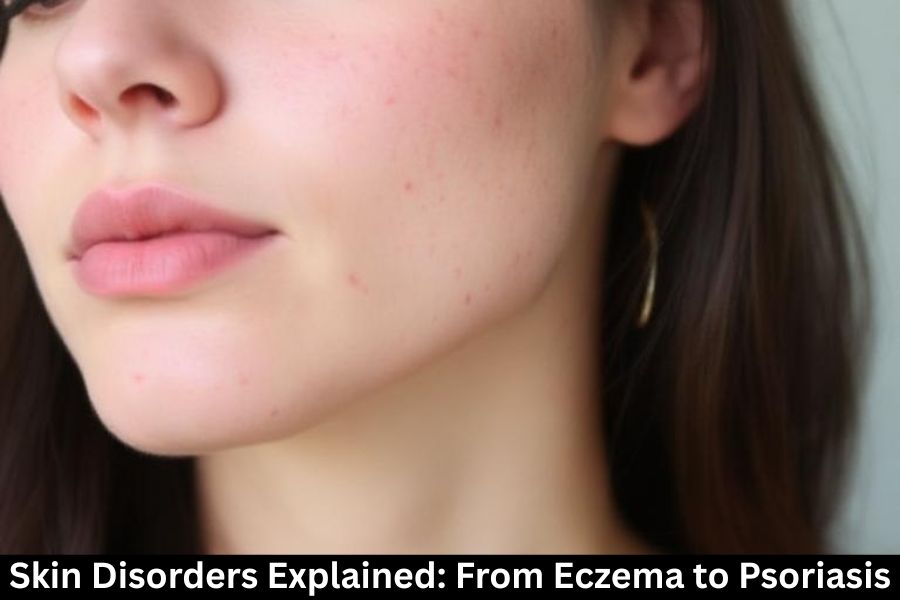
Our skin is the largest organ of the body—and one of the most sensitive. It acts as a protective barrier against the outside world, but it’s also prone to a variety of conditions that can cause discomfort, irritation, and even emotional distress. Among the most common skin disorders are eczema and psoriasis, two conditions that may appear similar but have different causes, symptoms, and treatments. Understanding these and other skin disorders is key to managing them effectively and maintaining healthy skin.
Understanding Eczema
Eczema, also known as atopic dermatitis, is a chronic inflammatory skin condition that often begins in childhood but can affect people of all ages. It causes dry, itchy, and inflamed patches of skin, which can become red, cracked, and sore.
Causes and Triggers:
Eczema is often linked to an overactive immune response combined with a weakened skin barrier. This allows irritants, allergens, and bacteria to penetrate the skin more easily. Common triggers include harsh soaps, detergents, certain fabrics (like wool), weather changes, and stress.
Treatment and Management:
While there’s no permanent cure for eczema, it can be managed with proper skin care and medical treatment. Regular moisturizing, avoiding known triggers, and using topical corticosteroids or anti-inflammatory creams can help control flare-ups. In more severe cases, doctors may prescribe oral medications or light therapy.
Understanding Psoriasis
Psoriasis is an autoimmune condition that causes skin cells to multiply faster than normal, leading to the buildup of thick, scaly patches known as plaques. These patches are often itchy, painful, and may appear on the scalp, elbows, knees, or lower back.
Causes and Triggers:
The exact cause of psoriasis isn’t fully understood, but it’s linked to an immune system malfunction where the body mistakenly speeds up the skin cell production process. Genetics, stress, infections, cold weather, and certain medications can trigger or worsen symptoms.
Treatment and Management:
Psoriasis is a chronic condition, but treatments can effectively manage symptoms and reduce flare-ups. Common approaches include topical treatments (like corticosteroids or vitamin D analogs), phototherapy, and systemic medications that target the immune system. Lifestyle changes such as stress reduction, balanced diet, and quitting smoking can also help control symptoms.
Other Common Skin Disorders
Beyond eczema and psoriasis, many other skin disorders affect people worldwide:
- Acne: Caused by clogged hair follicles and oil glands, leading to pimples, blackheads, and cysts.
- Rosacea: Characterized by facial redness, swelling, and visible blood vessels, often triggered by heat or spicy foods.
- Hives (Urticaria): Red, itchy welts caused by allergic reactions or stress.
- Vitiligo: A condition where pigment-producing cells are destroyed, resulting in white patches on the skin.
- Fungal Infections: Such as athlete’s foot or ringworm, caused by overgrowth of fungi on the skin.
Caring for Your Skin
Good skin health starts with daily care. Gentle cleansing, regular moisturizing, sun protection, and a healthy diet can help maintain your skin’s natural barrier. Avoiding harsh chemicals, managing stress, and staying hydrated are also key steps in preventing flare-ups or irritation.
When to See a Dermatologist
If you experience persistent itching, redness, rashes, or unusual skin changes that don’t improve with over-the-counter remedies, it’s important to consult a dermatologist. Early diagnosis and treatment can prevent complications and improve quality of life.
Conclusion
Skin disorders like eczema and psoriasis can be challenging, but with the right knowledge and care, they can be managed effectively. Each person’s skin is unique, and understanding what triggers your symptoms is the first step toward healthier, more comfortable skin. Remember—your skin reflects your overall health, so treating it with care is an investment in your well-being.