Stroke is one of the leading causes of death and long-term disability worldwide, but the good news is that many strokes are preventable. By making simple, consistent lifestyle changes, people can significantly reduce their risk and protect their long-term health. Prevention begins with understanding what causes strokes and how daily habits can influence those risks.
Understanding Stroke and Its Risk Factors
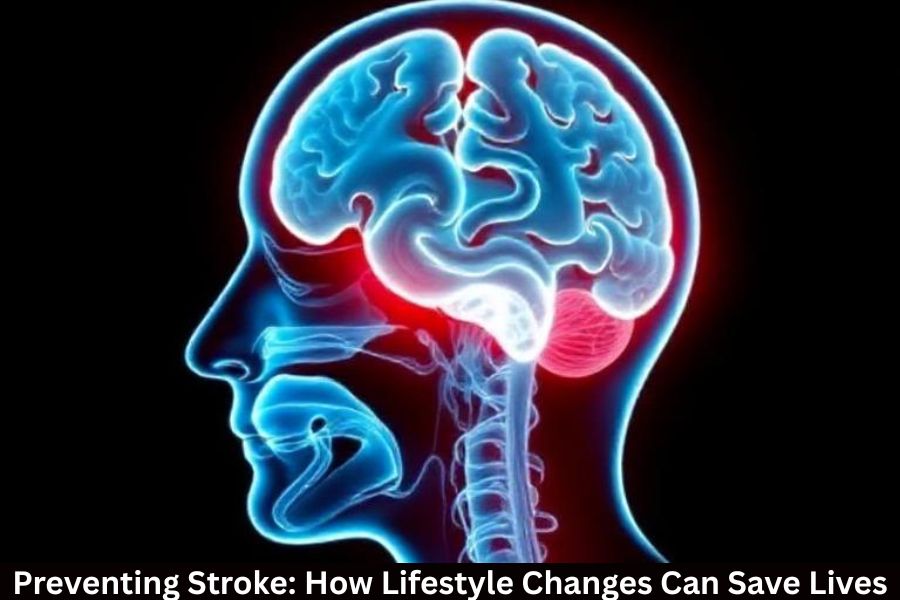
A stroke occurs when blood flow to the brain is interrupted, either by a blockage (ischemic stroke) or a burst blood vessel (hemorrhagic stroke). This interruption deprives brain cells of oxygen and nutrients, causing damage within minutes.
Common risk factors include high blood pressure, diabetes, high cholesterol, smoking, obesity, excessive alcohol intake, and physical inactivity. Age and family history also play a role, but lifestyle choices are among the most powerful factors within our control.
Maintain Healthy Blood Pressure
High blood pressure is the single most significant risk factor for stroke. Regular monitoring and management are essential. Reducing salt intake, avoiding processed foods, exercising regularly, and managing stress can help keep blood pressure in a healthy range. If prescribed, taking medication as directed is equally important.
Eat a Balanced, Heart-Healthy Diet
A diet rich in fruits, vegetables, whole grains, lean proteins, and healthy fats supports both heart and brain health. Limiting foods high in saturated fats, trans fats, and added sugars helps lower cholesterol and maintain a healthy weight. The Mediterranean diet, which emphasizes olive oil, fish, nuts, and fresh produce, has been shown to lower stroke risk.
Stay Physically Active
Regular physical activity helps maintain healthy blood pressure, reduce cholesterol, and manage body weight—all of which lower stroke risk. Even moderate exercise, such as brisk walking, swimming, or cycling for 30 minutes a day, can make a big difference.
Quit Smoking
Smoking doubles the risk of stroke by damaging blood vessels and accelerating the buildup of plaque in arteries. The benefits of quitting begin almost immediately: within weeks, blood circulation improves, and within a year, stroke risk drops significantly.
Limit Alcohol Consumption
Excessive drinking raises blood pressure and contributes to irregular heart rhythms, which can lead to stroke. If you drink, do so in moderation—no more than one drink per day for women and two for men.
Manage Stress and Mental Health
Chronic stress can raise blood pressure and trigger unhealthy habits like overeating or smoking. Incorporating relaxation techniques such as meditation, yoga, or deep breathing can help manage stress levels. Seeking emotional support from loved ones or professionals is equally important.
Control Chronic Conditions
Managing diabetes, heart disease, and high cholesterol through medication, diet, and regular checkups is crucial. These conditions can damage blood vessels and increase the risk of stroke if left untreated.
Conclusion
Stroke prevention is not just about avoiding illness—it’s about building a healthier, longer, and more fulfilling life. The steps to reduce stroke risk are the same habits that improve overall well-being: eat well, stay active, avoid smoking, and manage stress.
Even small changes, when made consistently, can have a powerful impact. By taking charge of our lifestyle today, we can save lives—starting with our own.