PCOS (Polycystic Ovary Syndrome) is a hormonal disorder affecting millions of women globally. It often goes undiagnosed, yet its effects can impact everything—from menstrual cycles and fertility to weight and emotional well-being. Understanding the symptoms, causes, and management strategies helps women take control of their health and live more balanced, fulfilling lives.
What Is PCOS?
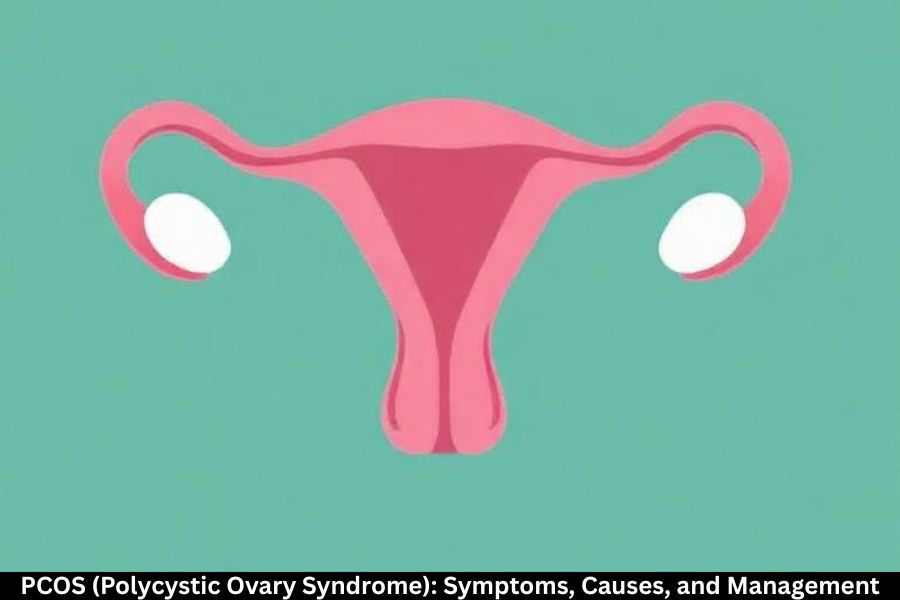
PCOS is a hormonal condition in which the ovaries produce excessive male hormones (androgens). This leads to the formation of small fluid-filled sacs (cysts) in the ovaries, irregular periods, and other physical and metabolic symptoms.
How Common Is PCOS?
PCOS affects up to 1 in 10 women of reproductive age, making it one of the most common endocrine disorders in women.
Key Symptoms of PCOS
Menstrual Irregularities
One of the earliest signs of PCOS is unpredictable menstrual cycles — missed periods, prolonged cycles, or no periods at all.
Hormonal Imbalances
High androgen levels cause symptoms such as acne, excessive hair growth, and hair loss.
Weight Gain and Obesity
Many women with PCOS struggle with weight gain due to insulin resistance.
Skin-Related Symptoms
Acne
Persistent acne on the face, chest, or back is common due to hormonal fluctuations.
Darkening of Skin (Acanthosis Nigricans)
Dark patches appear on the neck, groin, and underarms, especially in those with insulin resistance.
Fertility Issues
PCOS is one of the leading causes of infertility because it disrupts ovulation.
Hair-Related Symptoms
Excess Facial and Body Hair
Increased hair growth (hirsutism) appears on the face, chest, and abdomen.
Hair Thinning or Hair Loss
Hormonal imbalances can cause scalp hair loss similar to male-pattern baldness.
Causes of PCOS
Genetic Factors
PCOS often runs in families, suggesting a strong genetic component.
Insulin Resistance
When the body doesn’t use insulin properly, it increases insulin levels — triggering the ovaries to produce more androgens.
Hormonal Imbalances
Elevated levels of LH (luteinizing hormone) and androgens disrupt normal ovarian function.
Lifestyle-Related Causes
Poor diet, lack of exercise, and stress can worsen PCOS symptoms.
How PCOS Is Diagnosed
Medical History and Symptom Review
Doctors assess menstrual patterns, weight changes, and physical symptoms.
Blood Tests
Hormone levels, insulin levels, and metabolic markers are checked.
Ultrasound Examination
An ultrasound may reveal enlarged ovaries with multiple cysts.
Diagnostic Criteria (Rotterdam Criteria)
A diagnosis is confirmed if two out of three criteria are present:
- Irregular ovulation
- High androgen levels
- Polycystic ovaries on ultrasound
Complications of PCOS
Type 2 Diabetes
Insulin resistance significantly increases diabetes risk.
Heart Disease
PCOS can lead to high cholesterol and high blood pressure.
Infertility
Irregular ovulation makes conception difficult without treatment.
Sleep Apnea
More common in women with excess weight.
Mental Health Challenges
Anxiety, depression, and low self-esteem often accompany PCOS.
Management and Treatment Options
Lifestyle Modifications
Healthy Diet
A balanced diet rich in whole foods, lean proteins, and healthy fats reduces inflammation and regulates insulin levels.
Regular Exercise
Physical activity helps with weight management, hormonal balance, and insulin sensitivity.
Weight Management
Even a 5–10% weight loss can significantly improve symptoms.
Medications
Hormonal Birth Control
Helps regulate periods and reduce acne and hair growth.
Metformin
Improves insulin resistance and assists with weight control.
Fertility Medications
Clomiphene and letrozole encourage ovulation for women trying to conceive.
Cosmetic Treatments
Laser therapy, electrolysis, and dermatological treatments help manage unwanted hair and acne.
Stress Management Techniques
Yoga, meditation, deep breathing, and mindfulness reduce stress-related symptom flare-ups.
Natural Remedies for PCOS
Herbal Supplements
Inositol, cinnamon, and spearmint tea may help regulate hormones.
Anti-Inflammatory Foods
Berries, leafy vegetables, nuts, and seeds support metabolic health.
Mind-Body Practices
Yoga, tai chi, and stress-relief techniques improve hormonal balance.
Preventive Tips for PCOS
- Maintain a healthy weight
- Follow a balanced diet
- Limit sugar and processed foods
- Exercise regularly
- Attend routine health checkups
Living With PCOS
Long-Term Management Strategies
PCOS is a lifelong condition, but consistent lifestyle habits help manage symptoms effectively.
Emotional and Mental Well-being
Therapy, support groups, and mindfulness can ease emotional challenges.
Support Groups and Counseling
Connecting with others facing PCOS helps reduce stress and provides motivation.
Conclusion
PCOS is a complex but manageable condition. With early detection, lifestyle changes, and proper treatment, women can lead healthy, fulfilling lives. Understanding the root causes and recognizing symptoms early empowers women to take charge of their health and reduce long-term complications.
FAQs
Can PCOS be cured?
PCOS cannot be fully cured, but its symptoms can be effectively managed.
Does PCOS always cause infertility?
No. Many women with PCOS can conceive naturally or with treatment.
Is weight loss important for PCOS?
Yes, even small weight reductions improve hormone balance and symptoms.
Can thin women have PCOS?
Absolutely — PCOS affects women of all body types.
What is the best diet for PCOS?
A low-sugar, balanced diet focusing on whole foods works best.