What Is Obstructive Sleep Apnea?
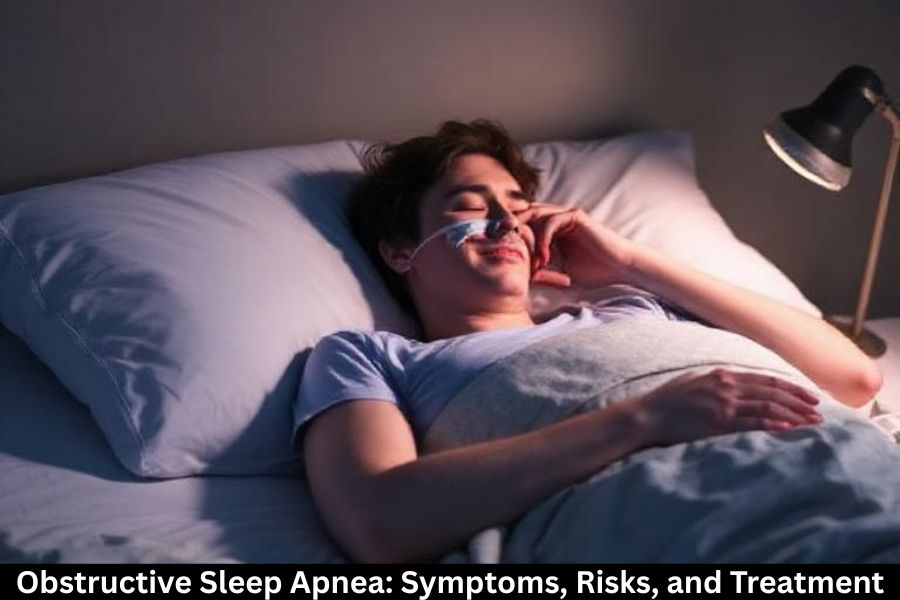
Obstructive Sleep Apnea (OSA) is a common yet serious sleep disorder in which your breathing repeatedly stops and starts during sleep. The cause? A blocked or collapsed airway that prevents enough airflow. Even though you’re asleep, your body fights for oxygen, leading to poor-quality rest that affects your health and daily life.
How OSA Affects Breathing During Sleep
During an apnea episode, the muscles in the throat relax too much, causing the airway to narrow or close. This blockage leads to pauses in breathing that last several seconds. Your brain senses the lack of oxygen and briefly wakes you up to reopen the airway. These interruptions can happen dozens—even hundreds—of times per night.
Common Symptoms of Obstructive Sleep Apnea
Loud Snoring
Snoring is one of the most recognizable signs of OSA. It’s caused by vibrating tissues in the throat due to restricted airflow.
Gasping or Choking Episodes
You may suddenly wake up gasping for air because your airway becomes blocked, causing your body to react urgently.
Excessive Daytime Sleepiness
Poor sleep quality at night often leads to overwhelming sleepiness during the day, making tasks like driving or working more difficult.
Morning Headaches
Interrupted sleep and reduced oxygen levels may result in persistent morning headaches.
Difficulty Concentrating
If your brain isn’t getting enough oxygen at night, it affects your focus, memory, and decision-making abilities.
Mood Changes and Irritability
Lack of restful sleep can impact your emotional stability, leading to irritability, stress, or even depression.
Risk Factors for Obstructive Sleep Apnea
Physical and Anatomical Factors
Obesity
Extra weight, especially around the neck, can put pressure on the airway, increasing the chances of obstruction.
Narrow Airway
Some people naturally have smaller airways, making them more prone to OSA.
Family History
If sleep apnea runs in your family, your risk increases due to genetic factors affecting airway structure.
Lifestyle and Health-Related Factors
Smoking
Smoking inflames the upper airway, making blockages more likely.
Alcohol Consumption
Alcohol relaxes throat muscles too much, contributing to airway collapse during sleep.
Age and Gender
Aging increases the risk, and men are more likely to develop OSA than women—though the risk rises for women after menopause.
How OSA Affects Overall Health
Cardiovascular Complications
Untreated OSA is linked to high blood pressure, heart attacks, arrhythmias, and stroke because repeated oxygen drops stress the heart.
Metabolic Disorders
OSA increases the risk of type 2 diabetes by disrupting insulin regulation and metabolism.
Mental Health Impacts
Chronic sleep deprivation can trigger anxiety, depression, and irritability.
Reduced Quality of Life
From fatigue to impaired performance at work, OSA affects your day-to-day life and overall well-being.
Diagnosis of Obstructive Sleep Apnea
Sleep Study (Polysomnography)
A sleep study is the gold standard for diagnosing OSA. It monitors breathing, oxygen levels, heart rate, and brain activity overnight.
Home Sleep Apnea Testing
A convenient alternative, home testing evaluates breathing patterns and oxygen levels while you sleep in your own bed.
Medical Evaluation and Physical Examination
Doctors assess symptoms, lifestyle, and airway structure to determine whether further testing is needed.
Effective Treatment Options
CPAP Therapy
Continuous Positive Airway Pressure (CPAP) is the most common and effective treatment. It keeps your airway open by delivering steady air pressure through a mask.
Lifestyle Modifications
Weight Loss
Even modest weight loss can significantly reduce symptoms or eliminate OSA in some individuals.
Positional Therapy
Sleeping on your side instead of your back helps prevent airway collapse.
Avoiding Alcohol and Smoking
These habits worsen OSA symptoms and should be limited or avoided.
Oral Appliances
Dentists can create custom mouthpieces that help keep the airway open by repositioning the jaw.
Surgical Interventions
Surgery may be recommended if structural issues—like enlarged tonsils—are causing airway blockage.
Emerging Treatments and Technology
New therapies such as nerve stimulation devices and advanced CPAP systems are providing more comfortable options for patients.
Tips for Managing OSA at Home
Creating a Sleep-Friendly Environment
Keep your bedroom dark, quiet, and cool to promote better rest.
Developing Healthy Sleep Habits
Stick to a consistent sleep schedule, avoid heavy meals before bedtime, and reduce screen time at night.
Monitoring Progress and Symptoms
Keep track of how you feel each day and report any changes to your doctor.
When to See a Doctor
Warning Signs That Require Medical Attention
If you’re experiencing loud snoring, gasping episodes, or excessive fatigue, it’s time to seek professional help.
Importance of Early Diagnosis
Early detection prevents serious complications and improves your long-term health.
Conclusion
Obstructive Sleep Apnea is more than just snoring—it’s a serious condition that can affect every part of your life. Recognizing symptoms early, understanding risk factors, and choosing the right treatment can significantly improve your sleep and overall health. With the right approach, managing OSA is absolutely possible, and better sleep is within reach.
FAQs
Can OSA be cured completely?
In many cases, symptoms can be significantly reduced or eliminated through weight loss, CPAP, or surgery—but it depends on the individual.
Is snoring always a sign of sleep apnea?
No, not all snoring indicates OSA, but loud, frequent snoring should be evaluated.
How long does it take to see improvements with CPAP?
Many people notice improvements within a few days, while others may take a few weeks.
What happens if OSA is left untreated?
Untreated OSA can lead to heart disease, diabetes, mood disorders, and reduced quality of life.
Can children develop obstructive sleep apnea?
Yes, children can develop OSA, often due to enlarged tonsils or adenoids.