What Is Obesity?
Obesity is a medical condition characterized by excessive body fat that increases the risk of health problems. While weight alone doesn’t determine health, excess fat—especially around the abdomen—can interfere with normal body functions.
Why Obesity Is a Global Concern
Obesity rates have been rising worldwide due to modern lifestyles, poor diet habits, and reduced physical activity. It’s now considered a major public health issue affecting both developed and developing countries.
Understanding BMI and Body Composition
Body Mass Index (BMI) is commonly used to assess obesity, but body composition and fat distribution also play a crucial role in determining health risks.
Health Risks Associated with Obesity
Heart Disease
Obesity increases cholesterol levels, blood pressure, and inflammation—major factors contributing to heart disease.
Type 2 Diabetes
Excess weight can make the body resistant to insulin, leading to elevated blood sugar levels.
High Blood Pressure
Overweight individuals often experience increased blood pressure, which strains the heart and arteries.
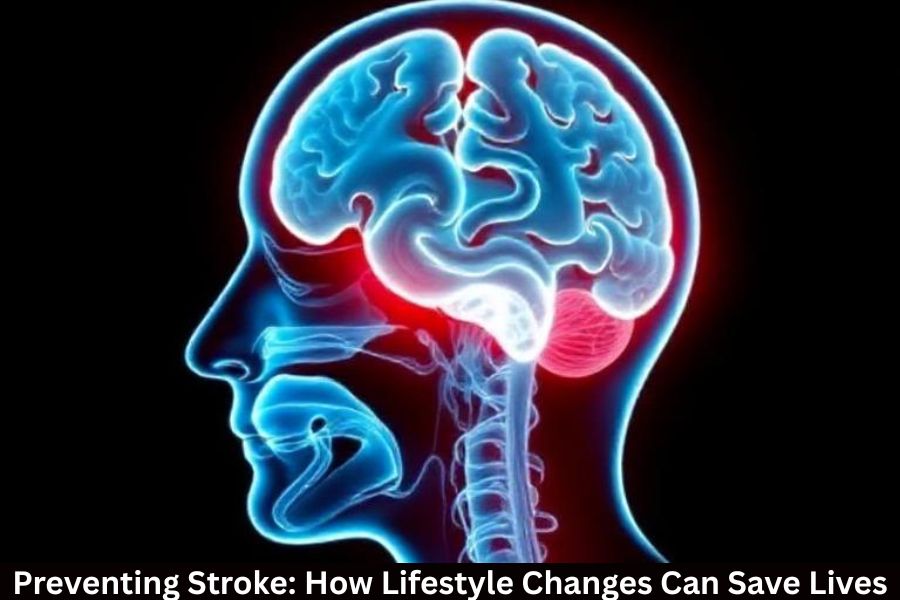
Stroke
Blocked blood vessels caused by fat buildup increase the likelihood of stroke.
Respiratory Issues
Excess fat around the chest and abdomen can make breathing difficult and increase the risk of sleep apnea.
Joint and Bone Problems
Extra weight puts pressure on joints, contributing to arthritis and chronic pain.
Mental Health Challenges
Obesity is linked with depression, anxiety, and low self-esteem—often caused by societal pressure and physical limitations.
Certain Types of Cancer
Research suggests obesity may increase the risk of cancers such as breast, colon, and endometrial cancer.
Major Causes of Obesity
Poor Diet and Overeating
Consuming calorie-dense foods such as fast food, sugary drinks, and processed snacks contributes significantly to weight gain.
Lack of Physical Activity
Sedentary lifestyles reduce calorie burn, making it easier to gain excess weight.
Genetics and Family History
Genes can influence metabolism, appetite, and fat distribution, increasing obesity risk.
Metabolic Factors
Some people naturally burn fewer calories at rest, making weight gain easier.
Hormonal Imbalances
Conditions like hypothyroidism and hormonal changes can lead to weight gain.
Psychological Factors
Stress, emotional eating, and mental health conditions can influence food choices and appetite.
Medications and Medical Conditions
Certain medications—such as antidepressants, steroids, and diabetes drugs—may cause weight gain.
Environmental and Lifestyle Factors
Unhealthy eating environments, lack of access to healthy foods, and busy schedules affect weight.
Signs and Symptoms of Obesity
Visible Physical Changes
Excess body fat, especially around the waist, is a clear indicator.
Difficulty Performing Physical Activities
Walking, climbing stairs, or exercising may become challenging.
Fatigue and Low Energy
Carrying extra weight puts strain on the body, often leading to chronic tiredness.
How Obesity Is Diagnosed
BMI Measurement
A BMI of 30 or above is generally considered obese.
Waist Circumference
A large waist size indicates high belly fat, which poses greater health risks.
Blood Tests and Medical Evaluation
Doctors may check cholesterol, blood sugar, and thyroid function to understand underlying causes.
Effective Ways to Maintain a Healthy Weight
Healthy Eating Habits
Balanced Diet
Incorporate whole grains, lean proteins, fruits, vegetables, and healthy fats.
Portion Control
Smaller portions help manage calorie intake without feeling deprived.
Reducing Processed Foods
Minimizing fast foods, sugary snacks, and high-fat items supports better weight management.
Regular Physical Activity
Best Exercises for Weight Management
- Walking or jogging
- Cycling
- Strength training
- Swimming
- High-intensity interval training (HIIT)
Aim for at least 150 minutes of moderate exercise each week.
Behavior and Lifestyle Modifications
Sleep Hygiene
Quality sleep supports metabolism and reduces cravings.
Stress Management
Meditation, yoga, and hobbies reduce emotional eating.
Staying Hydrated
Water improves digestion and helps control hunger.
Building Healthy Routines
Consistency in meals, exercise, and sleep creates long-term results.
Medical and Professional Treatments
Nutrition Counseling
A registered dietitian can create personalized meal plans.
Medications
Certain prescribed medications help manage appetite or fat absorption.
Bariatric Surgery
Procedures like gastric bypass are recommended for severe obesity when other methods fail.
Health Coaching and Support Groups
Guidance and community support help individuals stay motivated.
Natural and Home Remedies for Weight Management
Herbal Teas
Green tea, ginger tea, and cinnamon tea may boost metabolism.
Mindful Eating
Eating slowly and paying attention to hunger cues prevents overeating.
Intermittent Fasting
This eating pattern helps some people reduce calorie intake and improve metabolism.
Preventing Obesity in Children and Adults
Family-Centered Lifestyle Changes
Healthy habits start at home—everyone benefits from nutritious meals and exercise.
School and Community Support
Programs promoting physical activity and healthy eating can reduce childhood obesity rates.
Healthy Habits from Childhood
Teaching children to make smart food choices builds lifelong wellness.
Conclusion
Obesity is a complex condition, but it is manageable and preventable with the right strategies. By understanding its causes, recognizing the risks, and adopting healthier habits, individuals can improve their overall well-being. Whether through lifestyle changes, medical assistance, or community support, maintaining a healthy weight is achievable—and essential for long-term health.
FAQs
What is the main cause of obesity?
A combination of poor diet, lack of exercise, genetics, and lifestyle factors contribute to obesity.
Can obesity be reversed?
Yes, with consistent lifestyle changes, weight loss is possible for most individuals.
How can I lose weight naturally?
Eat whole foods, stay active, manage stress, and practice mindful eating.
Is obesity linked to mental health?
Yes, obesity can increase the risk of anxiety, depression, and low self-esteem.
How much exercise do I need to maintain a healthy weight?
At least 150 minutes of moderate activity per week is recommended.