The food we eat does more than just provide energy—it plays a powerful role in strengthening our immune system and protecting us from illness. Good nutrition supports the body’s natural defenses, helping it fight infections, heal wounds, and recover faster. In today’s world, where viruses and lifestyle-related diseases are increasingly common, understanding the link between nutrition and immunity is more important than ever.
The Connection Between Nutrition and the Immune System
Your immune system is a complex network of cells, tissues, and organs that work together to protect the body from harmful bacteria, viruses, and toxins. For this system to function effectively, it needs the right fuel—and that comes from the nutrients in your diet.
A balanced diet provides essential vitamins, minerals, and antioxidants that support the production and activity of immune cells. Without adequate nutrition, your immune defenses weaken, leaving you more vulnerable to infections and illness.
Key Nutrients That Boost Immunity
Vitamin C
Vitamin C is one of the most well-known immune boosters. It helps stimulate the production of white blood cells, which fight infections. It also acts as a powerful antioxidant, protecting cells from damage.
Sources: Citrus fruits (oranges, lemons, grapefruit), strawberries, kiwi, bell peppers, and broccoli.
Vitamin D
Vitamin D plays a vital role in regulating immune response. Low levels of this vitamin are linked to increased susceptibility to colds and respiratory infections.
Sources: Sunlight exposure, fortified dairy products, fatty fish (salmon, mackerel), and egg yolks.
Zinc
Zinc helps the immune system function properly and aids in wound healing. It is also essential for cell growth and inflammation control.
Sources: Meat, poultry, beans, nuts, seeds, and whole grains.
Vitamin A
Vitamin A helps maintain the health of the skin and tissues in the respiratory and intestinal systems—our first lines of defense against infections.
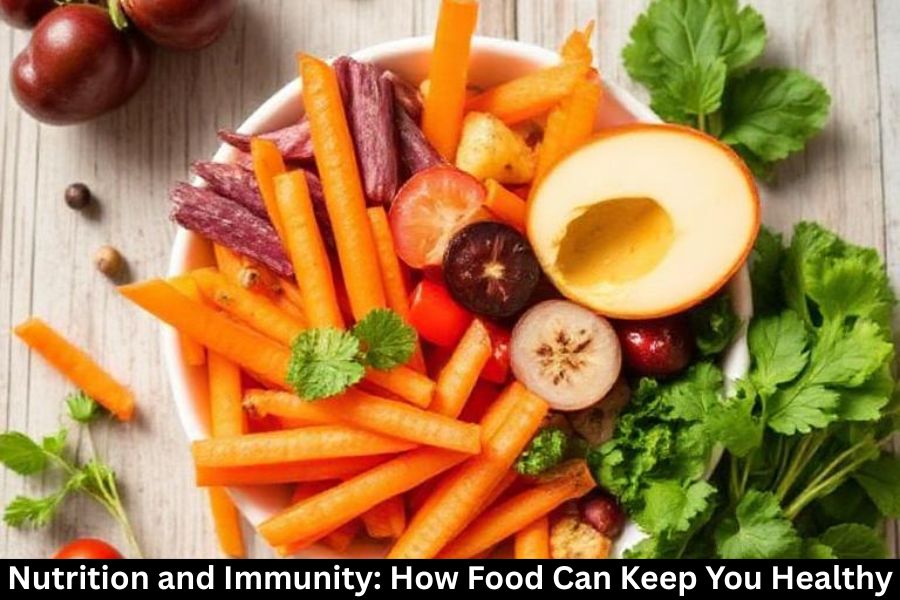
Sources: Carrots, sweet potatoes, spinach, kale, and liver.
Iron
Iron is needed for immune cell development and oxygen transport in the blood. Both iron deficiency and overload can affect immune function.
Sources: Red meat, lentils, beans, fortified cereals, and spinach.
Protein
Protein provides the building blocks (amino acids) needed for the growth and repair of body tissues and immune cells.
Sources: Lean meats, fish, eggs, dairy products, soy, legumes, and nuts.
Probiotics
Probiotics are beneficial bacteria that live in your gut and play a major role in immunity. A healthy gut microbiome can reduce inflammation and enhance immune response.
Sources: Yogurt, kefir, sauerkraut, kimchi, and other fermented foods.
How a Balanced Diet Supports Long-Term Immunity
Eating a variety of nutrient-dense foods ensures your body gets the full spectrum of vitamins and minerals needed to keep your immune system strong. Processed foods high in sugar, salt, and unhealthy fats can weaken immune function by causing inflammation and nutrient imbalances.
Staying hydrated is also crucial—water helps transport nutrients and flush out toxins, supporting all bodily functions, including immunity.
Lifestyle Factors That Complement Good Nutrition
Nutrition is only one part of maintaining a strong immune system. Other healthy habits include:
- Getting enough sleep (7–9 hours per night)
- Exercising regularly to boost circulation and immune cell activity
- Managing stress, which can suppress immune function
- Avoiding smoking and excessive alcohol, which weaken the body’s defenses
Conclusion
Good nutrition is your first line of defense against illness. By eating a balanced diet rich in vitamins, minerals, antioxidants, and probiotics, you can strengthen your immune system and improve your overall health. Remember, there’s no single “superfood” that can prevent disease—true immunity comes from consistent healthy eating and lifestyle choices.
Making smart food choices today is an investment in a stronger, healthier tomorrow.