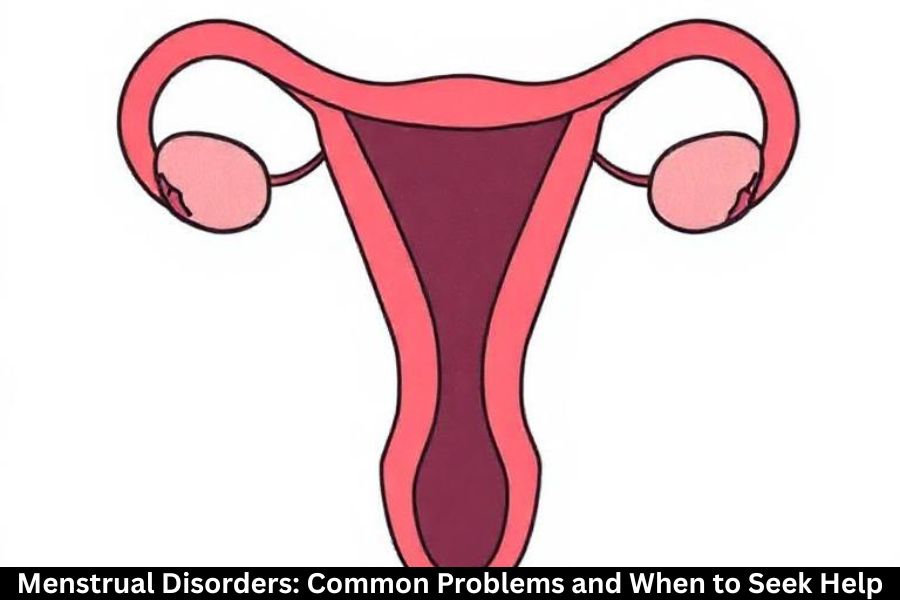
Menstrual health is an essential part of overall well-being for people who menstruate. While it’s normal to experience some discomfort during the menstrual cycle, ongoing or severe problems shouldn’t be ignored. Understanding what’s normal and what’s not can help you recognize when to seek help.
Why Menstrual Health Matters
A regular menstrual cycle often reflects good hormonal and reproductive health. When something disrupts that rhythm, it can indicate underlying health issues. That’s why paying attention to changes is so important.
What Is Considered a “Normal” Menstrual Cycle?
A typical cycle lasts between 21 and 35 days, with bleeding lasting 3 to 7 days. Mild cramping, mood swings, and bloating are common — but extreme pain, long delays, or very heavy bleeding may require medical evaluation.
Common Menstrual Disorders
Dysmenorrhea (Painful Periods)
Painful periods are one of the most common menstrual issues. They can range from mild discomfort to severe cramps that interrupt daily activities.
Primary Dysmenorrhea
This occurs due to natural hormonal changes that trigger intense uterine contractions. It usually begins during adolescence.
Secondary Dysmenorrhea
This type is linked to disorders like endometriosis or fibroids. Pain often worsens over time and may continue outside of menstruation.
Amenorrhea (Absence of Periods)
Amenorrhea simply means no periods. While pregnancy is the most common cause, other factors can also stop menstrual cycles.
Primary Amenorrhea
Occurs when a person hasn’t had their first period by age 15.
Secondary Amenorrhea
Happens when someone who previously had regular periods suddenly stops for three months or more.
Menorrhagia (Heavy Periods)
Excessive bleeding that lasts more than seven days or requires frequent pad/tampon changes may signal menorrhagia. It can be caused by hormonal imbalance, fibroids, or thyroid issues.
Oligomenorrhea (Infrequent Periods)
Infrequent periods happening more than 35 days apart could indicate PCOS, stress, or nutritional issues.
Premenstrual Syndrome (PMS)
PMS affects mood, physical comfort, and energy levels before menstruation. Symptoms vary widely but may include irritability, bloating, headaches, and fatigue.
Premenstrual Dysphoric Disorder (PMDD)
A more severe form of PMS, PMDD can cause intense emotional distress, anxiety, and mood swings that interfere with daily life.
Irregular Periods
Irregular cycles can result from stress, hormonal changes, or medical conditions like PCOS and thyroid disorders.
Causes of Menstrual Disorders
Hormonal Imbalances
Hormones regulate the menstrual cycle, and disruptions — such as high estrogen or low progesterone — can lead to irregular or heavy periods.
Medical Conditions
PCOS
Polycystic Ovary Syndrome affects hormone production, leading to irregular periods, acne, and weight gain.
Endometriosis
A painful condition where uterine-like tissue grows outside the uterus.
Thyroid Disorders
Both overactive and underactive thyroids can throw off menstrual cycles.
Lifestyle Factors
Stress, extreme exercise, sudden weight changes, and poor nutrition can disrupt menstrual flow.
Medications and Contraceptives
Some birth control methods may lighten, delay, or regulate periods — while others may cause spotting or irregularity.
Symptoms to Watch For
Severe Pain
If cramps are so strong that you can’t function normally, it’s a red flag.
Unusual Bleeding Patterns
Very heavy bleeding, bleeding between periods, or prolonged periods aren’t typical.
Emotional and Behavioral Changes
Extreme mood swings or depression around menstruation might point toward PMDD.
When to Seek Medical Help
Persistent or Worsening Symptoms
If symptoms continue month after month, it’s time to consult a doctor.
Periods That Affect Daily Life
Missing work or school due to period symptoms is not normal.
Signs of Underlying Health Issues
Such as excessive hair growth, unusual weight gain, or extreme fatigue.
Diagnosis of Menstrual Disorders
Physical Examination
A doctor may perform a pelvic exam to check for abnormalities.
Blood Tests and Imaging
Hormone tests, ultrasounds, or MRIs may be recommended.
Medical History Review
Patterns, lifestyle habits, and past medical issues all help diagnose the condition.
Treatment Options
Medications
Pain Relievers
NSAIDs like ibuprofen can ease cramps and inflammation.
Hormonal Therapy
Birth control pills, patches, or IUDs may help regulate cycles.
Lifestyle Changes
Sleep, balanced nutrition, and regular exercise can improve menstrual health.
Surgical Treatments
In cases of severe endometriosis or fibroids, surgery may be necessary.
Home Remedies and Self-Care Tips
Heat Therapy
A warm heating pad can soothe cramps and muscle tension.
Diet and Hydration
Eating anti-inflammatory foods and staying hydrated reduces bloating and discomfort.
Exercise and Stress Management
Yoga, meditation, and light workouts can help reduce symptoms.
Preventing Menstrual Disorders
Regular Check-ups
Routine gynecological exams ensure early detection of problems.
Healthy Lifestyle Habits
Manage stress, maintain a balanced diet, and avoid smoking to support hormonal balance.
Conclusion
Menstrual disorders are common, but they should never be ignored. Understanding what’s normal for your body is the first step in recognizing when something is off. Whether it’s irregular cycles, severe cramps, or emotional changes, seeking medical guidance can help identify the cause and improve your quality of life. Remember — your menstrual health matters, and you deserve support, comfort, and proper care.
FAQs
Is it normal to have irregular periods occasionally?
Yes, occasional irregular cycles can happen due to stress, illness, or hormonal shifts.
Can birth control help manage menstrual disorders?
Yes, hormonal contraceptives often regulate cycles and reduce symptoms.
When should I worry about heavy bleeding?
If you soak through pads/tampons hourly or bleed longer than seven days, consult a doctor.
Can lifestyle changes improve menstrual health?
Absolutely. A healthy diet, reduced stress, and regular exercise can help balance hormones.
Is severe menstrual pain normal?
No. Intense pain should not be ignored and may indicate an underlying condition.