What Is Hypertension?
Hypertension, commonly known as high blood pressure, is a condition where the force of the blood against the artery walls remains consistently too high. This pressure pushes the heart to work harder than it should, which can lead to serious long-term health issues if not managed properly.
Why High Blood Pressure Is a Silent Threat
Hypertension is often called the “silent killer” because it usually shows no obvious symptoms until it reaches a dangerous stage. Many people don’t realize they have it until a major health problem occurs—like a heart attack or stroke.
Understanding Blood Pressure Levels
Normal vs. Elevated Blood Pressure
Blood pressure is measured using two numbers: systolic (upper number) and diastolic (lower number).
- Normal: Below 120/80 mmHg
- Elevated: 120–129/<80 mmHg
- Hypertension Stage 1: 130–139/80–89 mmHg
- Hypertension Stage 2: 140+/90+ mmHg
What Happens When Blood Pressure Stays High?
Constant high pressure damages arteries, weakens the heart, and increases the risk of life-threatening diseases.
Types of Hypertension
Primary (Essential) Hypertension
This is the most common type and develops gradually over many years. It’s often linked to genetics, aging, and lifestyle choices.
Secondary Hypertension
This type results from underlying health issues such as kidney disease, thyroid problems, or certain medications. It tends to appear suddenly and may be more severe.
Major Risk Factors
Genetic Factors
If your parents or close relatives have high blood pressure, you are more likely to develop it too.
Lifestyle Choices
- Unhealthy diet
- Smoking
- Lack of physical activity
- High salt intake
- Excessive alcohol consumption
Age and Gender
Risk increases with age. Men are more likely to develop hypertension earlier than women, although women’s risk rises after menopause.
Existing Health Conditions
Conditions like diabetes, obesity, and high cholesterol often contribute to high blood pressure.
Common Symptoms of Hypertension
Early Signs
Most people have no symptoms. However, some may experience:
- Headaches
- Dizziness
- Shortness of breath
Severe or Dangerous Symptoms
If blood pressure rises too quickly, it may cause:
- Severe headaches
- Chest pain
- Blurred vision
- Confusion
- Nausea
Why Symptoms Often Go Unnoticed
Because symptoms appear late, routine checkups are essential for detecting hypertension early.
Health Risks Associated with High Blood Pressure
Heart Disease and Stroke
High blood pressure hardens arteries, reducing blood flow and increasing the risk of heart attacks and strokes.
Kidney Damage
Hypertension affects the blood vessels in the kidneys, making it harder for them to filter waste.
Vision Problems
Damage to the blood vessels in the eyes can result in blurred vision or even blindness.
Artery Damage
Arteries can become thicker, narrower, or more rigid, affecting overall blood circulation.
How Hypertension Is Diagnosed
Blood Pressure Monitoring
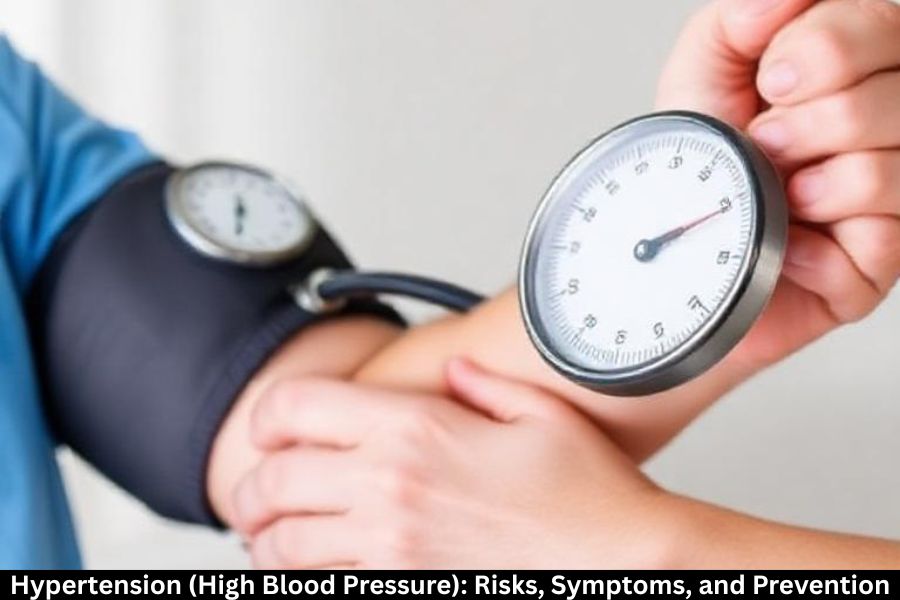
Doctors use a blood pressure cuff to measure your levels. Multiple readings over time provide a more accurate diagnosis.
Additional Medical Tests
- Blood tests
- Urine tests
- ECG or heart ultrasound
These help identify any underlying conditions contributing to hypertension.
Prevention Strategies
Healthy Eating Habits
Follow the DASH diet, which focuses on:
- Fruits
- Vegetables
- Whole grains
- Low-fat dairy
- Lean proteins
Regular Exercise
Aim for at least 30 minutes of moderate activity most days, such as brisk walking, cycling, or swimming.
Limiting Salt and Sugar Intake
Excess sodium increases blood pressure. Reducing processed foods and sugary items can help maintain healthy levels.
Avoiding Tobacco and Alcohol
Smoking damages blood vessels, while alcohol raises blood pressure. Limiting or avoiding these reduces risk.
Stress Management
Stress can temporarily increase blood pressure. Try activities like yoga, meditation, deep breathing, or hobbies you enjoy.
Long-Term Management of Hypertension
Medications
Doctors may prescribe:
- Diuretics
- Beta-blockers
- ACE inhibitors
- Calcium channel blockers
These help regulate blood pressure effectively.
Lifestyle Modifications
Combining medication with healthy habits leads to better long-term control.
Regular Checkups
Routine monitoring ensures treatment is working and helps catch complications early.
When to Seek Medical Help
Symptoms of Hypertensive Emergency
Seek immediate care if you experience:
- Severe headache
- Difficulty breathing
- Chest pain
- Vision loss
- Sudden confusion
Importance of Early Intervention
Getting medical help early can prevent serious complications and save your life.
Conclusion
Hypertension is a common but dangerous condition that can quietly damage your body for years before symptoms appear. The good news? It’s preventable and manageable. By knowing the risks, recognizing symptoms, and practicing healthy lifestyle habits, you can take control of your heart health and reduce the chance of life-threatening complications. Small daily changes can make a huge difference in keeping your blood pressure under control.
FAQs
Can hypertension be cured?
No, but it can be effectively managed with lifestyle changes and medication.
Is high blood pressure hereditary?
Yes, genetics play a significant role, but lifestyle choices matter too.
Can stress alone cause high blood pressure?
Stress may not cause long-term hypertension, but it can lead to temporary spikes.
How often should I check my blood pressure?
If you’re at risk, check it regularly—at least once every few months or as recommended by a doctor.
Does reducing salt really help?
Yes. Lowering salt intake can significantly reduce blood pressure levels.