Understanding Heart Disease
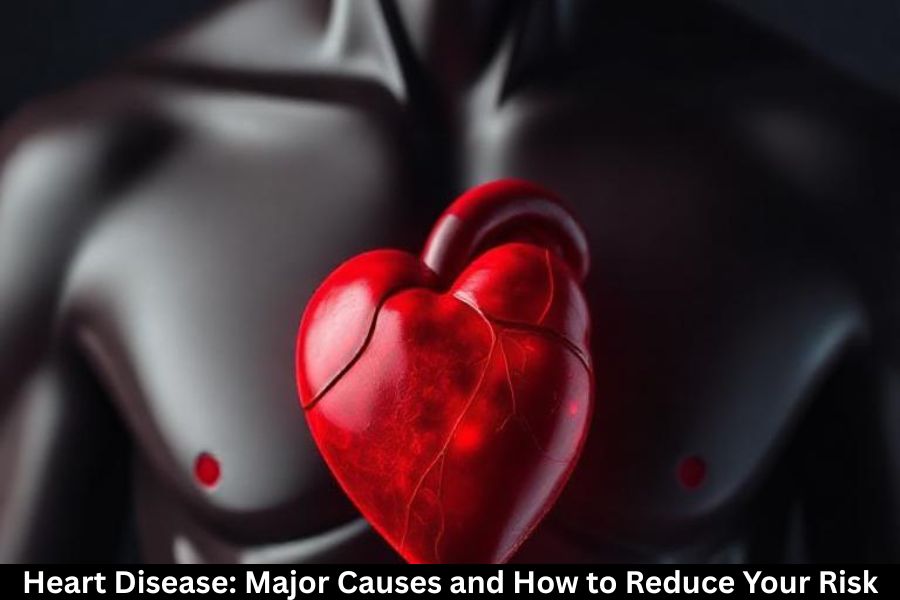
Heart disease refers to a range of conditions that affect the heart and blood vessels, including coronary artery disease, heart failure, and arrhythmias. It develops gradually and often goes unnoticed until symptoms become severe.
Why Heart Health Matters
Your heart works nonstop, pumping blood and oxygen to every part of your body. When it weakens or becomes blocked, your overall health suffers. Protecting your heart is crucial for maintaining long-term well-being and staying active.
Global Impact of Heart Disease
Heart disease is one of the leading causes of death worldwide. This makes prevention and early awareness essential.
Major Causes of Heart Disease
High Blood Pressure
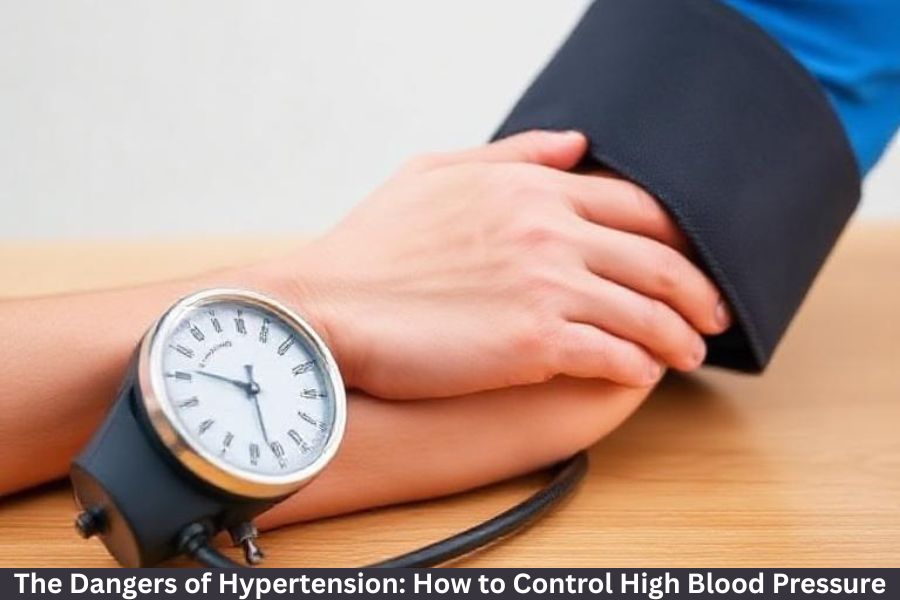
Often called the “silent killer,” high blood pressure damages arteries over time, making them narrow and stiff.
High Cholesterol
Too much LDL (“bad”) cholesterol can build up in artery walls, forming plaques that restrict blood flow.
Diabetes
High blood sugar levels can harm blood vessels and nerves that control the heart.
Obesity and Physical Inactivity
Excess weight strains the heart and increases the risk of heart disease-related conditions like hypertension and diabetes.
Smoking and Tobacco Use
Chemicals in tobacco damage the heart and blood vessels, significantly increasing heart attack risk.
Poor Diet
Diets high in saturated fats, processed foods, sugar, and sodium contribute to artery blockages.
Stress and Mental Health
Chronic stress increases hormone levels that strain the heart and elevate blood pressure.
Genetics and Family History
A family history of heart disease increases your own risk, especially if close relatives were diagnosed early.
Age and Gender Factors
Risk increases with age. Men face higher risk earlier, while women’s risk rises after menopause.
Warning Signs and Symptoms
Early Symptoms
- Fatigue
- Shortness of breath
- Chest discomfort
- Dizziness
Serious Signs That Require Immediate Attention
- Intense chest pain
- Pain spreading to arm, jaw, or back
- Sudden shortness of breath
- Nausea or cold sweats
If these symptoms appear, seek emergency help immediately.
Lifestyle Changes to Reduce Heart Disease Risk
Healthy Eating Habits
Foods to Include
- Fresh fruits and vegetables
- Whole grains
- Lean protein
- Nuts, seeds, and legumes
- Omega-3-rich foods like salmon
Foods to Avoid
- Sugary snacks and beverages
- Fried and processed foods
- Red meat in excess
- High-sodium products
Regular Physical Activity
Best Exercises for Heart Health
- Walking or jogging
- Swimming
- Cycling
- Strength training
- Yoga for stress relief
Aim for at least 150 minutes of moderate exercise weekly.
Maintaining a Healthy Weight
Healthy weight reduces strain on the heart and improves blood pressure levels.
Managing Stress
Deep breathing, meditation, and hobbies can reduce stress-related heart risks.
Quitting Smoking
Stopping smoking dramatically reduces your heart disease risk within months.
Limiting Alcohol Intake
Heavy drinking increases blood pressure and damages the heart.
Medical Prevention and Management
Regular Health Screenings
Routine check-ups help detect early signs of heart issues, even without symptoms.
Medications for Prevention
Doctors may prescribe statins, blood pressure medications, or antiplatelet drugs.
Monitoring Blood Pressure and Cholesterol
Keeping these numbers in a healthy range is essential for long-term heart health.
Natural Remedies and Home-Based Prevention
Heart-Healthy Supplements
Omega-3, magnesium, and CoQ10 can support heart function.
Herbal Support
Garlic, turmeric, and green tea may help reduce inflammation and support circulation.
Mind-Body Practices
Yoga, tai chi, and meditation improve both mental and heart health by reducing stress.
Heart Disease in Different Age Groups
Heart Disease in Young Adults
Early lifestyle habits play a big role in preventing future heart conditions.
Heart Disease in Men and Women
Men often experience earlier symptoms, while women may show subtle signs.
Heart Disease in Seniors
Aging increases the risk, making monitoring and lifestyle management crucial.
When to Seek Emergency Help
Critical Symptoms
- Severe chest pain
- Sudden fainting
- Difficulty breathing
Immediate Actions to Take
Call emergency services, stay calm, and avoid heavy movement.
Conclusion
Heart disease is serious, but it’s also preventable in many cases. Understanding the major causes and taking proactive steps—such as eating healthier, exercising regularly, managing stress, and avoiding tobacco—can dramatically reduce your risk. Small lifestyle changes today can lead to a stronger, healthier heart tomorrow.
FAQs
Can heart disease be prevented?
Yes, many types of heart disease can be prevented through lifestyle changes and early medical care.
What food is best for heart health?
Fresh produce, whole grains, lean proteins, and healthy fats like olive oil support heart health.
Does stress affect the heart?
Yes, chronic stress raises blood pressure and increases heart disease risk.
Can exercise reduce heart disease risk?
Absolutely! Regular physical activity strengthens the heart and improves blood circulation.
When should I see a doctor for heart concerns?
Seek medical help if you experience chest pain, shortness of breath, or unusual fatigue.