What Is Eczema?
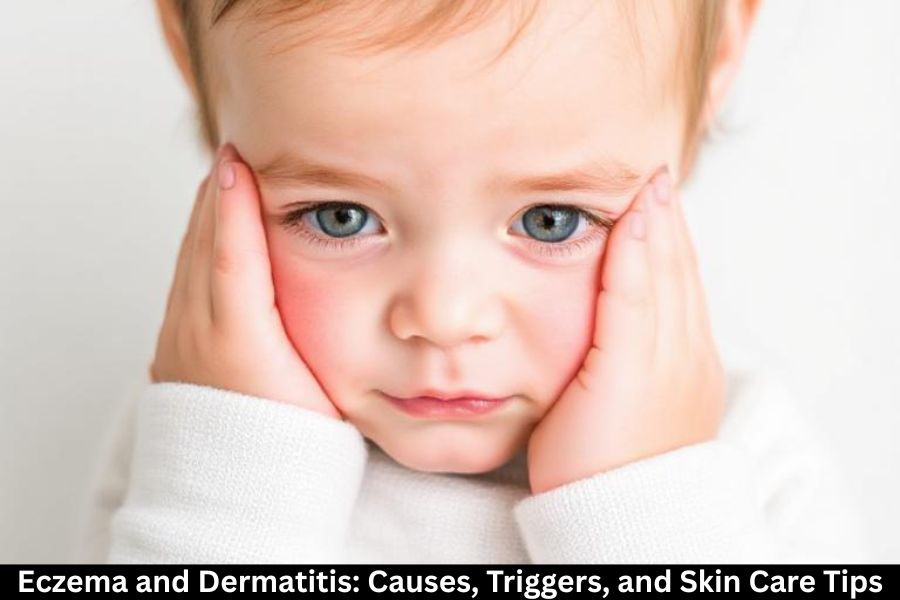
Eczema is a chronic skin condition characterized by itchy, inflamed, and irritated patches of skin. It affects millions of people worldwide and can occur at any age. The most common type is atopic dermatitis, often linked to allergies and asthma.
What Is Dermatitis?
Dermatitis simply means “skin inflammation.” Eczema is one type of dermatitis, but others—such as contact or seborrheic dermatitis—have different causes and symptoms.
How These Conditions Affect the Skin
Both eczema and dermatitis damage the skin barrier, making the skin dry, sensitive, and more prone to irritation and infection.
Types of Eczema and Dermatitis
Atopic Dermatitis
A long-lasting form of eczema often associated with genetics, allergies, and asthma. It commonly affects children but can persist into adulthood.
Contact Dermatitis
Irritant Contact Dermatitis
Occurs when the skin reacts to substances like soaps, detergents, or cleaning chemicals.
Allergic Contact Dermatitis
Triggered by allergens such as nickel, fragrances, or latex.
Seborrheic Dermatitis
Causes flaky, yellowish scales on oily areas like the scalp, face, and chest.
Dyshidrotic Eczema
Leads to small, itchy blisters on hands and feet, often triggered by stress or sweating.
Nummular Eczema
Characterized by coin-shaped patches of irritated skin.
Common Causes of Eczema and Dermatitis
Genetic Factors
A family history of eczema, asthma, or allergies increases the likelihood of developing these conditions.
Weak Skin Barrier
People with eczema often have a compromised skin barrier, making it harder to retain moisture.
Immune System Response
An overactive immune system can trigger inflammation in response to harmless substances.
Environmental Factors
Pollution, climate, and exposure to irritants can contribute to skin problems.
Common Triggers That Worsen Symptoms
Weather Changes
Cold, dry air or excessive heat can aggravate eczema.
Stress
Emotional stress can lead to flare-ups due to hormonal changes.
Harsh Skin Products
Products containing alcohol, fragrance, or harsh chemicals can irritate the skin.
Food Allergies
Common triggers include dairy, eggs, nuts, and gluten.
Fabrics and Clothing
Wool, synthetics, and tight clothing can worsen symptoms.
Chemicals and Allergens
Detergents, perfumes, pollen, and metal accessories may trigger contact dermatitis.
Symptoms of Eczema and Dermatitis
Itching
Often severe and persistent, itching is the hallmark symptom.
Redness and Inflammation
Affected areas may appear red, warm, and swollen.
Dry and Cracked Skin
Loss of moisture leads to rough and flaky patches.
Blisters or Oozing
Some forms can cause blisters that ooze or crust over.
Thickened or Scaly Skin
Repeated scratching can make the skin thick and leathery.
Diagnosis of Skin Conditions
Physical Examination
A dermatologist examines the skin to determine the type and severity of the condition.
Allergy Testing
Helps identify allergens that may trigger flare-ups.
Skin Patch Tests
Used to diagnose contact dermatitis by monitoring reactions to various substances.
Effective Treatment Options
Topical Creams and Ointments
Steroid Creams
Reduce inflammation and itching during flare-ups.
Moisturizing Creams
Hydrating the skin helps restore the damaged skin barrier.
Anti-Inflammatory Medication
Calcineurin inhibitors can reduce inflammation without steroids.
Oral Medications
Antihistamines, antibiotics, or immune-modulating drugs may be prescribed in severe cases.
Light Therapy
Controlled UV exposure can help reduce symptoms.
Immunotherapy for Allergies
Useful for patients whose symptoms are triggered by specific allergens.
Essential Skin Care Tips
Moisturizing Strategies
Apply moisturizer at least twice daily to keep the skin hydrated.
Choosing Skin-Friendly Products
Use fragrance-free, hypoallergenic skincare products.
Bathing Tips
Take lukewarm baths, avoid long showers, and apply moisturizer immediately afterward.
Clothing Recommendations
Wear soft, breathable fabrics like cotton.
Avoiding Triggers
Identify and avoid known irritants and allergens.
Lifestyle Changes for Managing Eczema
Stress Management
Practice relaxation techniques such as meditation, yoga, or deep breathing.
Diet Adjustments
Some individuals benefit from reducing inflammatory foods.
Sleep Hygiene
Quality sleep supports skin healing and overall wellness.
When to See a Dermatologist
Symptoms That Need Medical Attention
Seek medical help if symptoms worsen, spread, or don’t respond to home care.
Importance of Early Treatment
Early intervention helps prevent infection and severe flare-ups.
Conclusion
Eczema and dermatitis are common yet often misunderstood skin conditions that can significantly impact daily life. Identifying triggers, practicing consistent skincare, and adopting the right treatments can make a world of difference. With proper care and awareness, flare-ups can be managed effectively, allowing you to enjoy healthier, more comfortable skin.
FAQs
Can eczema be cured completely?
There is no cure, but symptoms can often be controlled with proper care.
What foods should be avoided if I have eczema?
Common triggers include nuts, dairy, eggs, and gluten, but triggers vary from person to person.
Can stress make eczema worse?
Yes, stress is a major trigger for flare-ups.
Is eczema contagious?
No, eczema is not infectious or contagious.
What age group is most affected by eczema?
Children are most commonly affected, but adults can also develop or retain eczema.