What Is Depression?
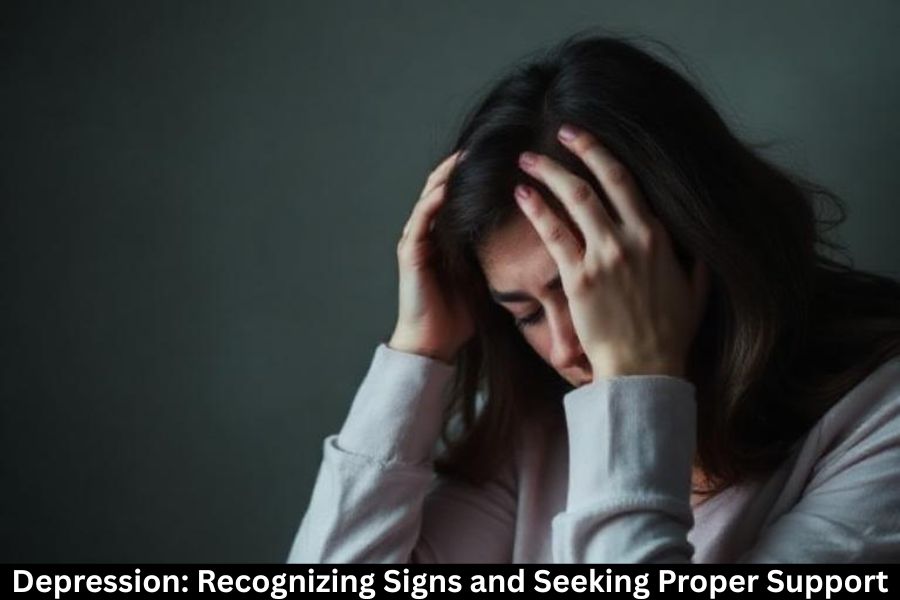
Depression is a mental health disorder that affects how you think, feel, and act. It’s more than temporary sadness—it’s a long-lasting condition that impacts everyday life, relationships, productivity, and overall well-being.
Why Depression Is More Than Just Feeling Sad
Everyone feels down sometimes, but depression lingers. It makes simple tasks feel exhausting and joy feel out of reach. Without support, it can gradually take over all aspects of life.
Types of Depression
Major Depressive Disorder (MDD)
Characterized by intense and persistent sadness lasting at least two weeks. It often impacts appetite, sleep, and daily functioning.
Persistent Depressive Disorder (Dysthymia)
A long-term form of depression that lasts for years but may feel milder. People often brush it off as “just the way they are.”
Seasonal Affective Disorder (SAD)
Depression that occurs during specific seasons—usually winter—due to lack of sunlight.
Postpartum Depression
A serious condition affecting mothers after childbirth, caused by hormonal changes and emotional stress.
Atypical Depression
A type where mood temporarily improves with positive events, but symptoms still persist underneath.
Common Signs and Symptoms
Emotional Symptoms
- Hopelessness
- Persistent sadness
- Guilt or self-blame
- Loss of interest in hobbies
Physical Symptoms
- Fatigue
- Changes in appetite
- Sleep problems
- Unexplained aches and pains
Behavioral Changes
- Withdrawal from loved ones
- Neglecting responsibilities
- Difficulty concentrating
- Slowed movements or speech
Causes and Risk Factors
Genetic and Biological Factors
Depression often runs in families, suggesting genetics play a major role.
Hormonal Changes
Shifts in hormone levels—such as during pregnancy, menopause, or thyroid disorders—can trigger depressive episodes.
Psychological and Emotional Trauma
Events like long-term stress, abuse, or major life changes can spark depression.
Chronic Illnesses
Conditions like diabetes, heart disease, or chronic pain increase depression risk.
Environmental Stressors
Financial struggles, loneliness, and work pressure all contribute.
How Depression Affects Daily Life
Work and School Performance
Depression reduces concentration, energy, and motivation—leading to poor productivity or academic struggles.
Social Interactions
People may pull away from friends and family, feeling like a burden or losing interest in socializing.
Physical Health Impact
Untreated depression affects the body too, increasing the risk of heart disease, weakened immunity, and sleep disorders.
Diagnosing Depression
Mental Health Assessments
Therapists or psychiatrists evaluate symptoms, behaviors, and emotional patterns through verbal assessments or questionnaires.
Physical Exams and Lab Tests
Doctors may check for underlying health issues—like thyroid disorders—that mimic depressive symptoms.
When to Seek Professional Help
If symptoms last for more than two weeks or interfere with daily life, seeking professional support is essential.
Effective Treatments for Depression
Psychotherapy (Talk Therapy)
Therapies like Cognitive Behavioral Therapy (CBT) help people identify negative thought patterns and replace them with healthier ones.
Medications
Antidepressants balance brain chemicals and can be life-changing when combined with therapy.
Lifestyle Modifications
- Exercise
- Healthy diet
- Better sleep habits
These support emotional balance and reduce symptoms.
Alternative Therapies
- Meditation
- Yoga
- Light therapy (for SAD)
These can complement traditional treatments.
Self-Help and Coping Strategies
Building a Daily Routine
A structured routine helps reduce feelings of chaos and builds a sense of control.
Developing Healthy Habits
Practicing gratitude, journaling, and setting small goals can shift your mindset over time.
Mindfulness and Relaxation
Deep breathing, meditation, and grounding techniques help calm overwhelming thoughts.
Supporting Someone with Depression
How to Communicate Effectively
Be patient, listen without judgment, and avoid minimizing their feelings.
What to Do—and What to Avoid
Do: Offer support, encourage healthy habits, and check in regularly.
Avoid: Saying things like “Just cheer up” or “Others have it worse.”
Encouraging Professional Help
Suggest therapy or medical support gently—never force it.
Preventing Depression and Relapse
Early Intervention
Recognizing early signs can prevent symptoms from escalating.
Maintaining Mental Health Practices
Consistent self-care helps keep depression under control.
Identifying Triggers
Learning what triggers symptoms helps individuals respond proactively.
Conclusion
Depression is a serious but treatable condition. Recognizing the signs early and seeking the right support can make a world of difference. Whether through therapy, medication, lifestyle changes, or support from loved ones, healing is possible. No one should face depression alone—help is always within reach, and recovery starts with taking the first step.
FAQs
Can depression go away on its own?
Sometimes symptoms improve, but professional treatment is usually necessary for long-term recovery.
Is depression the same as sadness?
No. Depression is long-lasting and affects daily functioning, while sadness is temporary.
How long does treatment take?
It varies by person—some feel better within weeks, others need longer-term support.
What foods help with depression?
Foods rich in omega-3s, vitamins, and antioxidants—like fish, nuts, fruits, and vegetables—can boost mental health.
Can exercise help with depression?
Yes. Regular physical activity releases endorphins, which naturally improve mood.