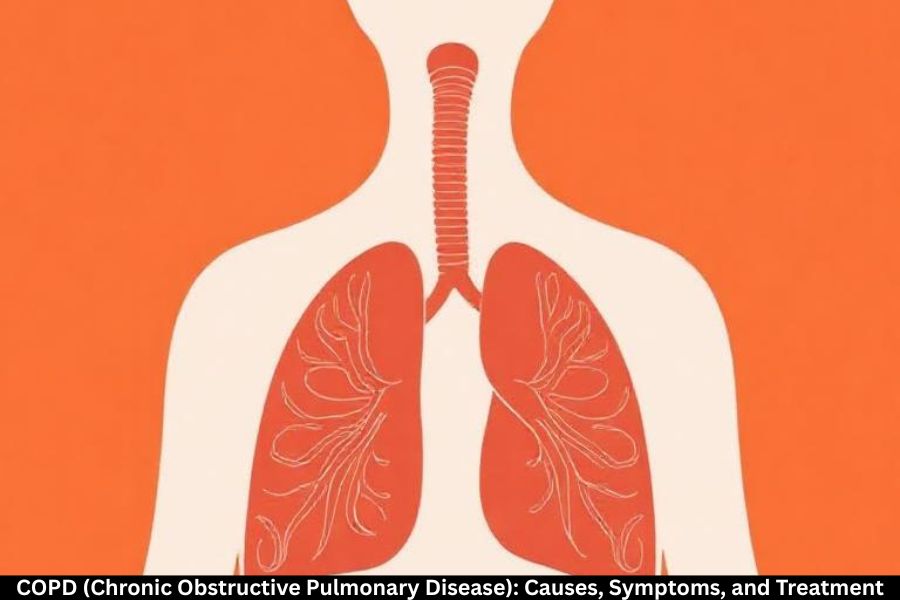
Chronic Obstructive Pulmonary Disease (COPD) is a long-term inflammatory lung disease that makes it difficult to breathe. It develops gradually and worsens over time, affecting millions of people worldwide. While COPD is incurable, early diagnosis and proper management can significantly improve a person’s quality of life.
What Is COPD?
COPD is an umbrella term for lung conditions that cause airflow blockage and breathing problems. The two main conditions under COPD are chronic bronchitis and emphysema.
Why COPD Is a Serious Health Concern
COPD is one of the leading causes of death globally. It affects everyday activities like walking, climbing stairs, or even simple tasks such as dressing. Left untreated, it can lead to severe disability, heart problems, and frequent hospitalizations.
Who Is at Risk?
People at the highest risk include:
- Smokers and former smokers
- Individuals exposed to secondhand smoke
- Workers exposed to dust, fumes, and chemicals
- People with a family history of lung disease
Types of COPD
Chronic Bronchitis
This condition causes inflammation of the bronchial tubes, leading to persistent cough and mucus production for at least three months a year over two consecutive years.
Emphysema
In emphysema, the air sacs (alveoli) in the lungs are damaged. This reduces oxygen exchange and makes breathing extremely difficult.
Asthma-COPD Overlap Syndrome (ACOS)
Some people have symptoms of both asthma and COPD. This combination often results in more severe breathing issues.
Causes of COPD
Smoking and Tobacco Exposure
Cigarette smoking is the number one cause of COPD. Long-term exposure to tobacco damages the lungs and narrows airways.
Environmental and Occupational Exposure
Hazards like:
- Air pollution
- Chemical fumes
- Industrial dust
…can contribute to COPD, especially with prolonged exposure.
Genetic Factors
While rare, some people develop COPD due to genetic causes.
Alpha-1 Antitrypsin Deficiency
A deficiency of this protein makes lungs more vulnerable to damage, increasing COPD risk even in non-smokers.
Symptoms of COPD
Early Symptoms
- Frequent coughing
- Shortness of breath
- Wheezing
- Tightness in the chest
Advanced Symptoms
As COPD progresses, symptoms may include:
- Fatigue
- Weight loss
- Chronic respiratory infections
- Swelling in ankles or feet
Warning Signs of Exacerbation
A COPD flare-up may involve:
- Rapid breathing
- Increased mucus
- Severe shortness of breath
- Changes in mucus color
How COPD Affects the Lungs
Airflow Limitation
Airways become narrow, restricting airflow and making it difficult to exhale fully.
Inflammation and Mucus Production
Chronic inflammation leads to thick mucus build-up, further blocking the airways.
Damage to Alveoli
In emphysema, alveoli lose elasticity and break down, reducing oxygen absorption.
Diagnosing COPD
Pulmonary Function Tests (PFTs)
The most important test is spirometry, which measures how much air you can inhale and exhale.
Imaging Tests
- Chest X-rays
- CT scans
These help detect lung damage and rule out other conditions.
Medical History and Symptom Evaluation
Doctors evaluate symptoms, smoking history, and exposure to lung irritants to confirm the diagnosis.
Treatment Options for COPD
Medications
Bronchodilators
These relax the muscles around the airways, making breathing easier.
Inhaled Corticosteroids
They reduce inflammation and help manage symptoms.
Pulmonary Rehabilitation
A program that includes exercise, education, and breathing strategies to help improve lung function.
Oxygen Therapy
For severe COPD, oxygen therapy helps maintain healthy oxygen levels.
Surgical Treatments
In advanced cases, surgery like lung volume reduction or lung transplant may be considered.
Lifestyle Changes for Managing COPD
Quitting Smoking
This is the most important step for slowing COPD progression.
Exercise and Breathing Techniques
Light exercise, walking, and breathing exercises like pursed-lip breathing can improve lung capacity.
Diet and Nutrition
A balanced diet supports immune function and energy levels.
Avoiding Triggers
Limit exposure to:
- Pollution
- Cold air
- Chemicals
- Smoke
Preventing COPD Complications
Vaccinations
Flu and pneumonia vaccines help prevent infections that can worsen COPD.
Managing Infections
Prompt treatment of respiratory infections reduces the risk of severe flare-ups.
Regular Monitoring
Routine doctor visits help track lung function and treatment effectiveness.
Living with COPD
Emotional Well-being
COPD can affect mental health. Staying connected and seeking support is essential.
Support Groups and Resources
Joining COPD communities helps patients learn coping strategies and feel less isolated.
Daily Life Adjustments
Using energy-saving techniques and pacing activities can make daily life easier.
Conclusion
COPD is a progressive lung disease, but understanding its causes, symptoms, and treatment options can help individuals manage it effectively. With the right lifestyle adjustments, medication, and support, people with COPD can live healthier, more active lives. Early detection and treatment are key to slowing disease progression and improving quality of life.
FAQs
Can COPD be cured?
COPD cannot be cured, but it can be managed with proper treatment.
Is COPD the same as asthma?
No—COPD is a long-term progressive disease, while asthma typically involves reversible airway narrowing.
What foods help with COPD?
Foods rich in antioxidants, vitamins, and lean proteins support lung and immune function.
Can exercise help COPD patients?
Yes—regular, gentle exercise improves breathing and stamina.
What is the life expectancy for someone with COPD?
It varies depending on severity, lifestyle, and treatment adherence.