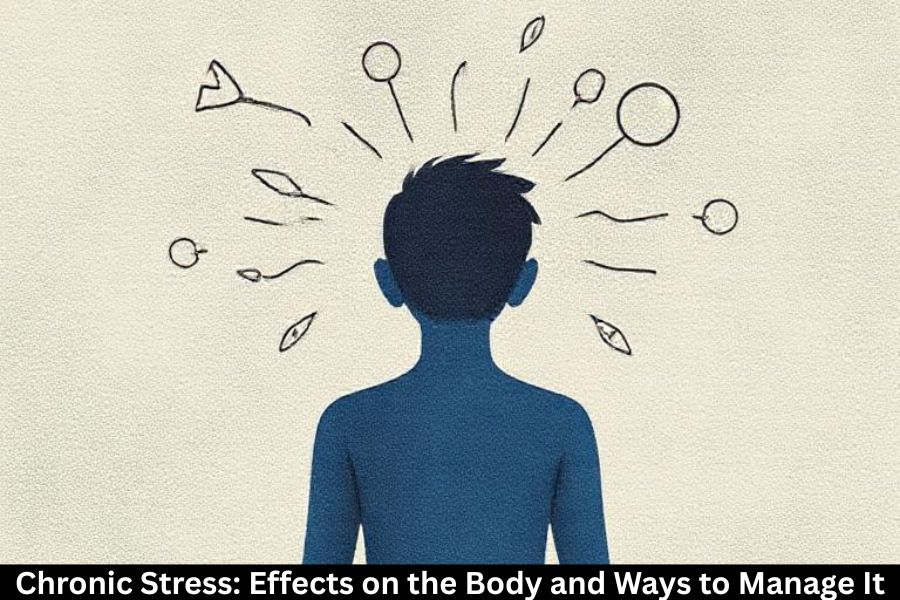
Stress is a normal part of life. But when stress becomes constant and overwhelming, it turns into chronic stress — a silent threat that gradually harms both the body and the mind. Understanding how chronic stress affects your health is the first step toward taking control of it.
What Is Chronic Stress?
Chronic stress occurs when the body stays in a heightened state of alert for extended periods. Instead of calming down after a stressful situation, the body continues releasing stress hormones — which can cause long-term damage.
Why Understanding Stress Matters
Chronic stress doesn’t just affect your mood. It influences your heart, immune system, digestion, and even your sleep cycle. Recognizing the signs early can prevent serious health complications.
How Stress Works in the Body
The Fight-or-Flight Response
When you face a threat, your body releases adrenaline and cortisol. This prepares you to run or fight — an important survival mechanism.
Acute Stress vs. Chronic Stress
Acute stress is short-term and usually resolves once the situation passes. Chronic stress, however, keeps your body in a constant state of alarm, leading to serious health problems.
Causes of Chronic Stress
Work-Related Stress
Long hours, high expectations, deadlines, and job insecurity can all contribute to ongoing stress.
Relationship and Family Issues
Conflicts, misunderstandings, and responsibilities can weigh heavily on emotional well-being.
Financial Struggles
Bills, debt, or lack of financial stability can make stress feel never-ending.
Health Problems
Dealing with chronic illness or caring for a sick family member can increase stress levels.
Major Life Changes
Divorce, moving, loss of a loved one, or job changes can trigger chronic stress.
Effects of Chronic Stress on the Body
Mental Health Effects
Anxiety and Depression
Constant stress can disrupt brain chemistry, leading to anxiety disorders and depression.
Memory and Concentration Issues
High cortisol levels impair focus, memory, and decision-making abilities.
Physical Health Effects
Cardiovascular Problems
Chronic stress increases heart rate and blood pressure, raising the risk of heart attack and stroke.
Weakened Immune System
Stress suppresses immunity, making you more prone to infections and illnesses.
Digestive Issues
Stress can contribute to stomach pain, acid reflux, constipation, or diarrhea.
Hormonal Imbalance
Long-term stress disrupts hormone production, affecting appetite, mood, and reproductive health.
Sleep Disturbances
Insomnia, restless sleep, or waking frequently at night are common symptoms of chronic stress.
Behavioral Signs of Chronic Stress
Changes in Eating Habits
Stress may cause overeating, undereating, or cravings for junk food.
Social Withdrawal
Feeling overwhelmed can make people avoid friends, family, or social interactions.
Unhealthy Coping Mechanisms
Turning to alcohol, smoking, or excessive screen time are common responses to unmanaged stress.
Long-Term Risks of Chronic Stress
Chronic Diseases
Stress increases the risk of diabetes, hypertension, heart disease, and autoimmune disorders.
Reduced Life Quality
It affects productivity, mental clarity, relationships, and overall happiness.
How to Diagnose Chronic Stress
Medical Evaluations
Doctors may check blood pressure, hormone levels, and physical symptoms.
Mental Health Assessments
Therapists evaluate emotional and psychological impacts.
Lifestyle Review
Patterns in sleep, diet, work environment, and relationships help identify chronic stress triggers.
Effective Ways to Manage Chronic Stress
Mindfulness and Meditation
Deep breathing, gratitude journaling, and mindfulness techniques calm the mind and body.
Regular Exercise
Physical activity releases endorphins — natural mood boosters that reduce stress.
Balanced Diet
Nutritious foods support hormonal balance and improve energy levels.
Quality Sleep
A consistent sleep routine helps the body recover and reduces anxiety.
Time Management
Prioritizing tasks and setting realistic goals can greatly reduce stress.
Social Support
Sharing feelings with friends or family provides emotional relief.
Professional Therapy
Counseling, cognitive behavioral therapy (CBT), or stress-management programs can be extremely beneficial.
Natural and Home Remedies
Breathing Techniques
Simple deep breaths can instantly lower heart rate and calm the nervous system.
Herbal Supplements
Chamomile, ashwagandha, and green tea may help ease stress (consult your doctor first).
Relaxation Activities
Reading, listening to music, spending time in nature, and hobbies help reduce stress levels.
Preventing Chronic Stress
Setting Healthy Boundaries
Learning when to say “no” protects your mental and emotional health.
Work-Life Balance Practices
Breaks, vacations, and regular downtime help prevent burnout.
Conclusion
Chronic stress is more than just feeling overwhelmed — it’s a serious condition that affects nearly every part of the body. By recognizing the signs early and adopting effective stress-management strategies, you can protect your health and improve your quality of life. Remember, taking care of your mind is just as important as taking care of your body.
FAQs
What are the early signs of chronic stress?
Fatigue, irritability, sleep problems, and difficulty concentrating are common signs.
Can chronic stress make you physically sick?
Yes, it weakens the immune system and can contribute to chronic diseases.
Does exercise really help with stress?
Absolutely. Exercise releases feel-good hormones that reduce stress levels.
How can I manage stress at work?
Set boundaries, take breaks, prioritize tasks, and communicate with your team.
When should I seek professional help for stress?
If stress affects your daily life, mood, or physical health, a therapist or doctor can help.