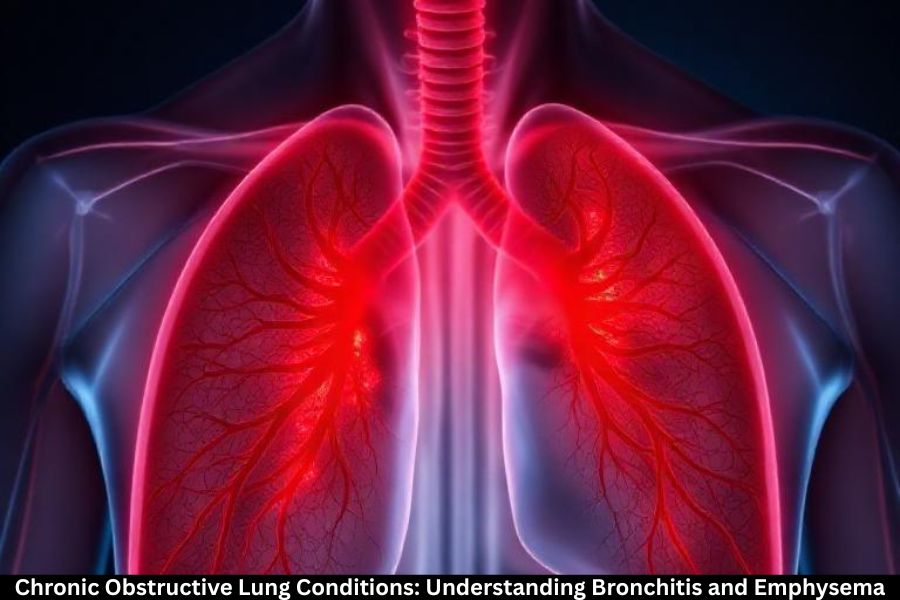
Chronic obstructive pulmonary disease (COPD) is one of the most common long-term respiratory conditions worldwide, affecting millions of people and significantly limiting their ability to breathe. Two major conditions fall under COPD: chronic bronchitis and emphysema. While they both affect the lungs and often occur together, they impact the respiratory system in different ways. Understanding these conditions helps in early detection, better management, and improved quality of life.
What Is COPD?
COPD refers to a group of progressive lung diseases that cause airflow obstruction and difficulty breathing. People with COPD often struggle to exhale fully, trapping air in the lungs. The condition typically worsens over time, especially without proper treatment or lifestyle changes.
The two main conditions under COPD are:
- Chronic Bronchitis – inflammation of the bronchial tubes
- Emphysema – damage to the alveoli (air sacs)
Chronic Bronchitis
What Is Chronic Bronchitis?
Chronic bronchitis occurs when the lining of the bronchial tubes becomes inflamed and irritated. This leads to excess mucus production, persistent coughing, and narrowed airways. It is diagnosed when a person has a productive cough for at least three months per year for two consecutive years.
Causes of Chronic Bronchitis
- Smoking (most common cause)
- Long-term exposure to air pollution
- Dust and chemical fumes in workplaces
- Recurrent respiratory infections
- Genetic predisposition (rare)
Symptoms of Chronic Bronchitis
- Persistent, productive cough (often called a “smoker’s cough”)
- Shortness of breath
- Wheezing
- Frequent chest infections
- Fatigue
- Feeling of chest tightness
Emphysema
What Is Emphysema?
Emphysema is a lung condition where the air sacs (alveoli) become damaged and lose their elasticity. Over time, the walls of the alveoli break down, creating larger air spaces and reducing the surface area needed for oxygen exchange. This leads to breathing difficulty, especially during physical activity.
Causes of Emphysema
- Cigarette smoking
- Prolonged exposure to environmental pollutants
- Occupational exposure to dust or industrial chemicals
- Alpha-1 antitrypsin deficiency (a rare genetic cause)
Symptoms of Emphysema
- Shortness of breath, especially during exertion
- Difficulty exhaling fully
- Wheezing
- Unexplained weight loss
- Reduced ability to exercise
- Barrel-shaped chest (in advanced stages)
How Bronchitis and Emphysema Differ
| Feature | Chronic Bronchitis | Emphysema |
|---|---|---|
| Primary issue | Inflammation of airways | Damage to air sacs |
| Main symptom | Productive cough | Shortness of breath |
| Mucus | Excess mucus production | Minimal mucus |
| Reversible? | Partially | Not reversible |
| Appearance | “Blue bloater” (low oxygen) | “Pink puffer” (overinflation) |
Both conditions often coexist, and many people with COPD experience symptoms of each.
Risk Factors for COPD
- Long-term smoking
- Secondhand smoke exposure
- Air pollution
- Repeated respiratory infections
- Occupational dust and chemicals
- Genetics (rare cases)
Diagnosis
Doctors use a combination of tests to diagnose COPD:
- Spirometry – measures airflow and lung capacity
- Chest X-ray or CT scan – shows lung damage
- Blood tests – check oxygen and carbon dioxide levels
- Physical examination
Spirometry is the most important test and helps determine the severity of COPD.
Treatment Options
Although COPD cannot be cured, the symptoms can be managed effectively with proper treatment:
Medications
- Bronchodilators to relax airway muscles
- Inhaled steroids to reduce inflammation
- Mucolytics to loosen mucus
- Antibiotics for infections
Pulmonary Rehabilitation
A structured program that includes:
- Breathing exercises
- Physical activity
- Nutrition guidance
- Education about managing symptoms
Oxygen Therapy
Used for individuals with low oxygen levels.
Lifestyle Changes
- Quit smoking (most important step)
- Reduce exposure to pollutants
- Maintain a healthy weight
- Stay active
- Get vaccinated for flu and pneumonia
Surgery (Severe Cases)
- Lung volume reduction surgery
- Lung transplant
Preventing COPD
While some causes cannot be avoided, lifestyle choices play a major role in prevention:
- Avoid smoking or quit if you already smoke
- Use protective masks in polluted or chemical environments
- Maintain good indoor air quality
- Treat respiratory infections promptly
- Get regular checkups if you have breathing issues
Living with COPD
Managing COPD requires long-term care, lifestyle adjustments, and regular medical follow-up. With proper management, many people can continue to lead active, fulfilling lives. Early diagnosis can significantly slow disease progression and improve breathing and overall health.
FAQs
What are chronic obstructive lung conditions?
Chronic obstructive lung conditions are long-term diseases that make it hard to breathe. The main two conditions are chronic bronchitis and emphysema, both grouped under COPD (Chronic Obstructive Pulmonary Disease).
How is chronic bronchitis different from emphysema?
- Chronic bronchitis involves inflammation of the airways and excess mucus.
- Emphysema involves damage to the air sacs in the lungs.
Many people have symptoms of both.
What causes chronic bronchitis and emphysema?
The most common cause is smoking. Other causes include air pollution, chemical fumes, chronic respiratory infections, and genetics (like Alpha-1 antitrypsin deficiency).
What are the early symptoms of COPD?
- Persistent cough
- Shortness of breath
- Wheezing
- Chest tightness
- Increased mucus production
These symptoms often worsen over time.
Can COPD be cured?
No, COPD cannot be cured, but treatments can help slow progression, reduce symptoms, and improve quality of life.