Understanding Chronic Kidney Disease (CKD)
Chronic Kidney Disease, often referred to as CKD, is one of those health issues that doesn’t always show early symptoms but can affect your body in major ways. Your kidneys play a vital role in keeping your body balanced, and when they stop functioning properly, your health can take a serious hit.
What Do the Kidneys Do?
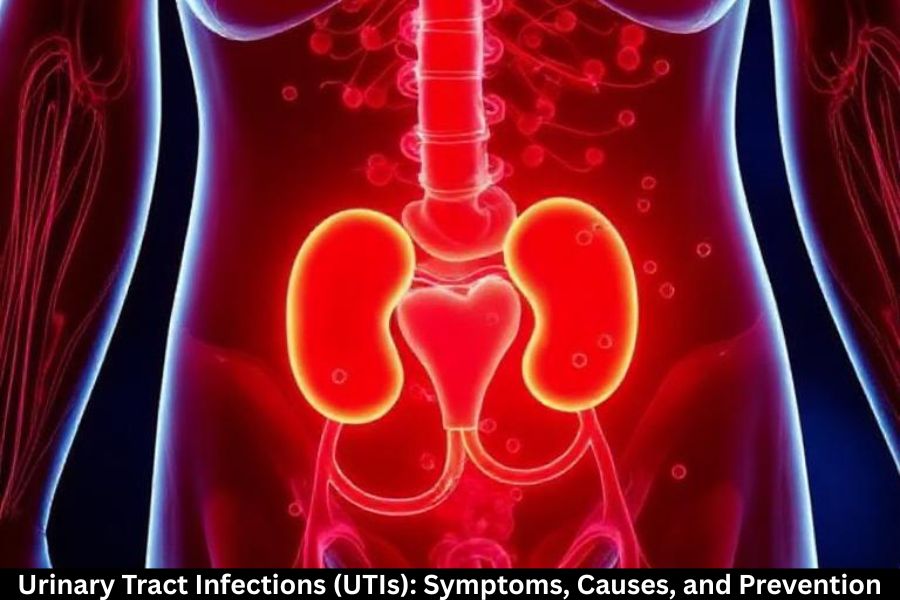
Your kidneys filter waste, balance fluids, regulate blood pressure, and help make red blood cells. Think of them as the body’s natural purification system.
What Is Chronic Kidney Disease?
CKD occurs when the kidneys gradually lose function over time. This damage is long-term and can worsen if not treated early.
Early Signs of Chronic Kidney Disease
CKD often progresses quietly, which is why recognizing early symptoms is crucial.
Fatigue and Low Energy
When your kidneys don’t filter toxins properly, it can lead to fatigue or weakness.
Changes in Urination
- Urinating more or less frequently
- Foamy or bubbly urine
- Blood in the urine
Swelling in Legs, Feet, and Ankles
Fluid retention happens when the kidneys can’t remove excess water.
Trouble Concentrating
Toxin buildup affects brain function, leading to brain fog or difficulty focusing.
Persistent Nausea
A constant upset stomach or vomiting can indicate kidney issues.
Muscle Cramps
Electrolyte imbalances often lead to painful cramps.
High Blood Pressure
Damaged kidneys can’t regulate blood pressure properly, leading to hypertension.
Causes of Chronic Kidney Disease
Understanding the root cause helps in taking preventive action.
Diabetes
This is the leading cause of CKD. High blood sugar damages tiny blood vessels in the kidneys.
High Blood Pressure
Uncontrolled hypertension puts constant stress on the kidneys.
Genetic Factors
Conditions like polycystic kidney disease run in families.
Kidney Infections
Repeated infections can cause permanent damage.
Autoimmune Diseases
Lupus and similar conditions can attack kidney tissues.
Long-Term Medication Use
Overusing painkillers and certain drugs can harm kidney function.
Severe Dehydration
Chronic dehydration affects kidney blood flow and increases the risk of damage.
Stages of Chronic Kidney Disease
CKD progresses through five stages based on kidney function.
Stage 1 and 2: Mild Damage
Kidneys still function well, but tests show damage.
Stage 3: Moderate Decline
Symptoms may become more noticeable.
Stage 4: Severe Damage
Kidneys struggle to work properly, requiring close monitoring.
Stage 5: Kidney Failure
Also known as end-stage renal disease (ESRD), this stage often requires dialysis or transplant.
How CKD Is Diagnosed
Blood Tests
Creatinine
A waste product used to measure kidney performance.
GFR Levels
Glomerular Filtration Rate shows how well your kidneys filter blood.
Urine Tests
Detects protein, blood, or abnormalities in urine.
Imaging Tests
Ultrasound or CT scans show structural issues.
Treatment Options for Chronic Kidney Disease
Treatment varies depending on the stage and cause.
Managing Underlying Conditions
Controlling diabetes and blood pressure helps slow progression.
Medications
Doctors may prescribe drugs to manage:
- High blood pressure
- Anemia
- High cholesterol
Diet and Lifestyle Changes
A kidney-friendly diet slows disease progression.
Dialysis
When kidneys fail, dialysis filters blood artificially.
Kidney Transplant
A long-term solution for end-stage kidney failure.
Diet Tips for Kidney Health
Low-Sodium Foods
Helps reduce fluid retention and blood pressure.
Controlling Protein Intake
Too much protein stresses the kidneys.
Hydration Tips
Staying hydrated keeps kidneys functioning smoothly.
Limiting Potassium and Phosphorus
Your doctor may recommend avoiding foods like bananas, nuts, and dairy.
Preventing Chronic Kidney Disease
Regular Checkups
Early testing can detect CKD before symptoms appear.
Managing Chronic Illnesses
Keep diabetes and blood pressure under control.
Healthy Lifestyle Habits
Eat balanced meals, exercise regularly, and avoid smoking.
When to See a Doctor
Red Flags Not to Ignore
- Blood in urine
- Swelling
- Sudden fatigue
- Persistent urination changes
High-Risk Individuals
People with diabetes, hypertension, or a family history of kidney disease should test regularly.
Conclusion
Chronic Kidney Disease is a serious condition, but early detection and proper care can make a world of difference. With the right lifestyle changes, medical treatment, and routine checkups, you can slow down its progression and protect your long-term health. Listen to your body—your kidneys are small, but their job is enormous.
FAQs
Can CKD be reversed?
Early stages can be managed effectively, but later stages require long-term treatments.
How often should kidney tests be done?
High-risk individuals should test at least once a year.
What foods are good for the kidneys?
Apples, berries, cauliflower, and foods low in sodium.
Is dialysis permanent?
Not always. Some people receive kidney transplants and stop dialysis.
What is the biggest cause of kidney failure?
Uncontrolled diabetes and high blood pressure.