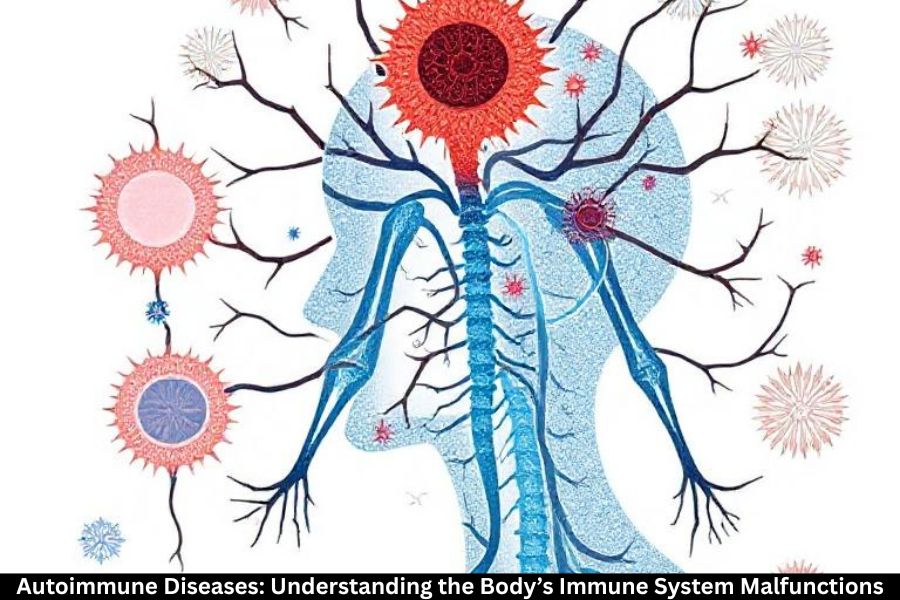
Autoimmune diseases are becoming increasingly common, affecting millions of people worldwide. These disorders occur when the immune system—designed to protect the body—mistakenly turns against healthy cells. Understanding how and why this happens is essential for early detection, treatment, and long-term well-being.
What Are Autoimmune Diseases?
Autoimmune diseases are conditions where the body’s defense system attacks its own tissues. Instead of fighting off infections, the immune system behaves like it’s confused, targeting organs, cells, or structures that should be left alone.
Why Autoimmunity Matters
Left untreated, autoimmune conditions can cause significant damage, chronic pain, and disability. Early recognition can help slow progression and improve quality of life.
How the Immune System Works
The Body’s Defense Mechanism
Think of the immune system as a personal security team. Its job is to detect invaders like viruses and bacteria and eliminate them before they cause harm.
Recognizing Self vs. Non-Self
Normally, this defense system knows the difference between “self” (your own cells) and “non-self” (harmful germs). In autoimmune diseases, this recognition fails, and the body attacks itself.
What Causes Autoimmune Diseases?
Genetic Factors
A family history of autoimmune conditions increases the risk. Certain genes may make a person more vulnerable.
Environmental Triggers
Infections
Some infections can confuse the immune system, triggering autoimmune reactions.
Stress
Chronic stress weakens the immune system and may contribute to flare-ups.
Lifestyle Factors
Smoking, poor diet, and exposure to toxins play a role.
Hormonal Influences
Autoimmune diseases are more common in women, suggesting hormones like estrogen may influence immune activity.
Common Autoimmune Diseases
Rheumatoid Arthritis
A condition where the immune system attacks the joints, causing pain, swelling, and stiffness.
Type 1 Diabetes
The immune system destroys insulin-producing cells in the pancreas.
Lupus (SLE)
Lupus can affect multiple organs, including the skin, kidneys, and brain.
Hashimoto’s Thyroiditis
The immune system damages the thyroid, leading to low hormone levels.
Psoriasis
A skin disorder causing rapid cell turnover, resulting in thick, scaly patches.
Multiple Sclerosis (MS)
MS affects the nervous system, damaging the protective covering around nerves.
Celiac Disease
A gluten-triggered condition where the immune system attacks the small intestine.
Symptoms of Autoimmune Diseases
Fatigue
Extreme tiredness that doesn’t improve with rest.
Joint Pain and Swelling
Common in rheumatoid arthritis and lupus.
Skin Problems
Rashes, dryness, and inflammation.
Digestive Issues
Bloating, diarrhea, and abdominal pain often occur in celiac disease.
Nerve and Muscle Symptoms
Numbness, weakness, and muscle pain may appear in conditions like MS.
How Autoimmune Diseases Are Diagnosed
Blood Tests
Doctors may check for specific antibodies, inflammation markers, and hormone levels.
Imaging Tests
MRIs, X-rays, or ultrasounds help identify tissue and organ damage.
Physical Examination
Doctors examine joints, skin, and overall health.
Symptom Review
A detailed discussion helps identify patterns and possible triggers.
Treatment Options
Medications
Immunosuppressants
Reduce immune system activity to prevent tissue damage.
Anti-Inflammatory Drugs
Help relieve pain and swelling.
Biologics
Target specific parts of the immune system for more effective treatment.
Lifestyle Adjustments
Balanced diet, regular exercise, and good sleep can improve symptoms.
Dietary Approaches
Anti-inflammatory diets, avoiding gluten (for celiac disease), and reducing processed foods can help.
Alternative Therapies
Acupuncture, yoga, and meditation may help manage stress and pain.
Living with an Autoimmune Disease
Managing Flare-Ups
Understanding triggers and following treatment plans can reduce flare frequency.
Stress Reduction
Deep breathing, mindfulness, and proper rest are key.
Building a Support System
Family, friends, and support groups provide emotional strength.
Routine Monitoring
Regular check-ups help track progress and adjust treatment.
Can Autoimmune Diseases Be Prevented?
Reducing Risk Factors
Healthy lifestyle choices lower the likelihood of developing autoimmune issues.
Early Detection
Recognizing symptoms early improves long-term outcomes.
Conclusion
Autoimmune diseases are complex but manageable with the right knowledge, care, and lifestyle choices. Understanding how the immune system works—and what happens when it malfunctions—can empower you to take control of your health. Early intervention, consistent treatment, and healthy habits can make a significant difference in living a full and comfortable life.
FAQs
What causes autoimmune diseases?
They result from genetics, environmental triggers, infections, stress, and hormonal influences.
Can autoimmune diseases be cured?
There is no complete cure, but symptoms can be effectively managed.
Are autoimmune diseases hereditary?
Genetics play a role, but they are not always passed directly from parent to child.
How are autoimmune diseases diagnosed?
Through blood tests, imaging, physical exams, and reviewing symptoms.
Can diet help reduce symptoms?
Yes, anti-inflammatory and balanced diets often help manage symptoms.