What Are Anxiety Disorders?
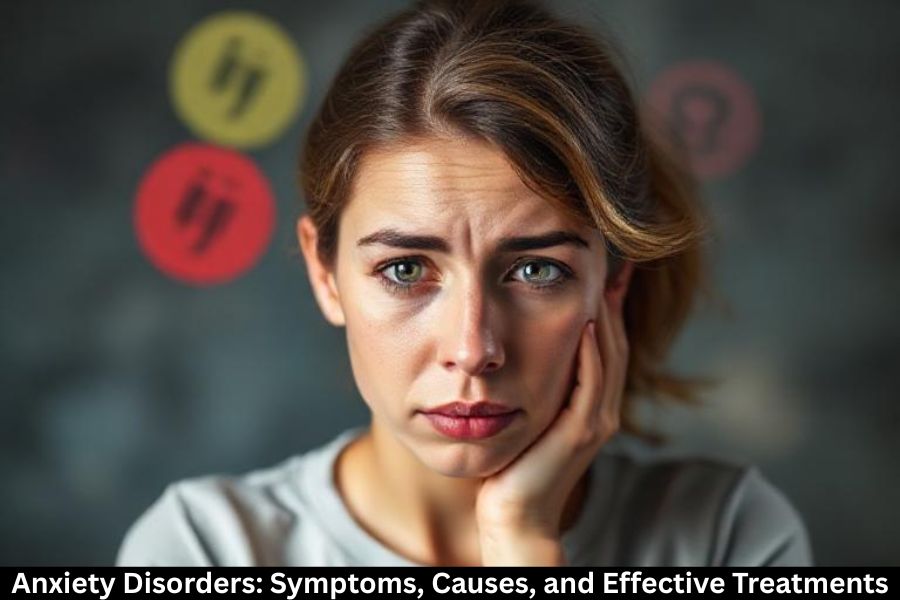
Anxiety disorders are mental health conditions characterized by persistent and excessive worry, fear, or nervousness. While occasional anxiety is normal, anxiety disorders affect daily life and make simple tasks feel overwhelming.
Why Anxiety Should Not Be Ignored
Untreated anxiety can lead to physical problems, emotional exhaustion, and long-term mental health struggles. Early recognition and treatment can significantly improve quality of life.
Different Types of Anxiety Disorders
Generalized Anxiety Disorder (GAD)
People with GAD experience excessive worry about everyday situations—work, health, family, finances—often without a clear reason.
Panic Disorder
This disorder involves sudden, intense panic attacks marked by overwhelming fear, chest pain, and difficulty breathing.
Social Anxiety Disorder
Also known as social phobia, this condition causes extreme fear of social situations, making it difficult to interact with others.
Specific Phobias
These are intense fears of specific objects or situations, such as heights, spiders, or flying.
Separation Anxiety Disorder
Often associated with children, but adults can experience it too. It involves fear or distress when separated from loved ones.
Common Symptoms of Anxiety Disorders
Emotional Symptoms
- Persistent worry
- Feelings of dread
- Irritability
- Difficulty concentrating
Physical Symptoms
- Rapid heartbeat
- Sweating
- Trembling
- Fatigue
- Shortness of breath
- Sleep disturbances
Behavioral Symptoms
- Avoiding triggering situations
- Seeking reassurance frequently
- Difficulty completing tasks
Major Causes of Anxiety Disorders
Genetic Factors
A family history of anxiety or other mental health conditions increases the risk.
Brain Chemistry and Hormones
Chemical imbalances and abnormal stress responses can contribute to anxiety disorders.
Traumatic Experiences
Events like accidents, abuse, or major life changes can trigger anxiety.
Chronic Stress
Long-term stress affects emotional and physical health, increasing the risk of anxiety.
Medical Conditions
Thyroid problems, heart issues, and chronic illnesses can mimic or worsen anxiety symptoms.
How Anxiety Affects Daily Life
Impact on Work and Productivity
Anxiety can lead to poor concentration, frequent mistakes, or avoidance of responsibilities.
Effects on Personal Relationships
Constant worry or fear can strain relationships, causing misunderstandings and emotional distance.
Impact on Physical Health
Untreated anxiety can contribute to:
- High blood pressure
- Digestive problems
- Chronic pain
- Weakened immune function
Diagnosing Anxiety Disorders
Psychological Evaluations
Mental health professionals assess symptoms, triggers, and behavioral patterns using structured interviews.
Medical Tests
Doctors may run tests to rule out underlying physical conditions that mimic anxiety.
When to See a Mental Health Professional
If anxiety disrupts daily life, sleep, or relationships, it’s time to seek help.
Effective Treatments for Anxiety Disorders
Cognitive Behavioral Therapy (CBT)
CBT helps people identify and change negative thought patterns, making it one of the most effective treatments for anxiety.
Medication Options
Common medications include:
- Antidepressants
- Anti-anxiety medications
- Beta-blockers (for physical symptoms)
Exposure Therapy
Gradual exposure to feared objects or situations helps reduce sensitivity over time.
Mindfulness and Relaxation Techniques
Practices like meditation, deep breathing, and yoga help calm the mind and reduce stress.
Lifestyle Changes
- Reducing caffeine
- Improving sleep habits
- Developing healthy coping skills
Natural Remedies and Self-Help Strategies
Breathing Exercises
Deep breathing lowers stress hormones and calms the nervous system.
Healthy Eating and Sleep
A balanced diet and 7–9 hours of sleep promote emotional stability.
Regular Physical Activity
Exercise releases endorphins, which naturally reduce anxiety.
Preventing Anxiety Disorders
Managing Stress Early
Learning stress management techniques can reduce the risk of developing anxiety.
Building Strong Support Systems
Talking to friends, family, or support groups can ease emotional burdens.
Avoiding Triggers
Recognizing and avoiding known stressors can help prevent anxiety episodes.
Conclusion
Anxiety disorders are common, but they don’t have to control your life. With the right treatment, support, and lifestyle changes, anyone can manage their symptoms and regain balance. Understanding the causes, recognizing symptoms early, and exploring effective treatment options are key to long-term emotional well-being. You’re not alone—help is available, and recovery is possible.
FAQs
Can anxiety disorders be cured?
While they may not always be “cured,” they can be effectively managed with therapy, medication, and coping strategies.
Is anxiety the same as stress?
No. Stress is usually temporary and situational. Anxiety persists even without a clear cause.
How long does treatment for anxiety take?
It varies from person to person. Some improve within weeks, while others need long-term support.
Can lifestyle changes reduce anxiety?
Absolutely. Exercise, sleep, and healthy eating play a huge role in reducing symptoms.
Are anxiety disorders common?
Yes. Millions of people worldwide experience anxiety disorders at some point in their lives.