Hemorrhoids are one of those health conditions that many people hesitate to talk about, yet almost everyone experiences them at some point. They’re uncomfortable, inconvenient, and downright irritating—but the good news is they’re also manageable and treatable. Whether you’ve had them before or you’re experiencing symptoms for the first time, understanding hemorrhoids can help you manage them better.
What Are Hemorrhoids?
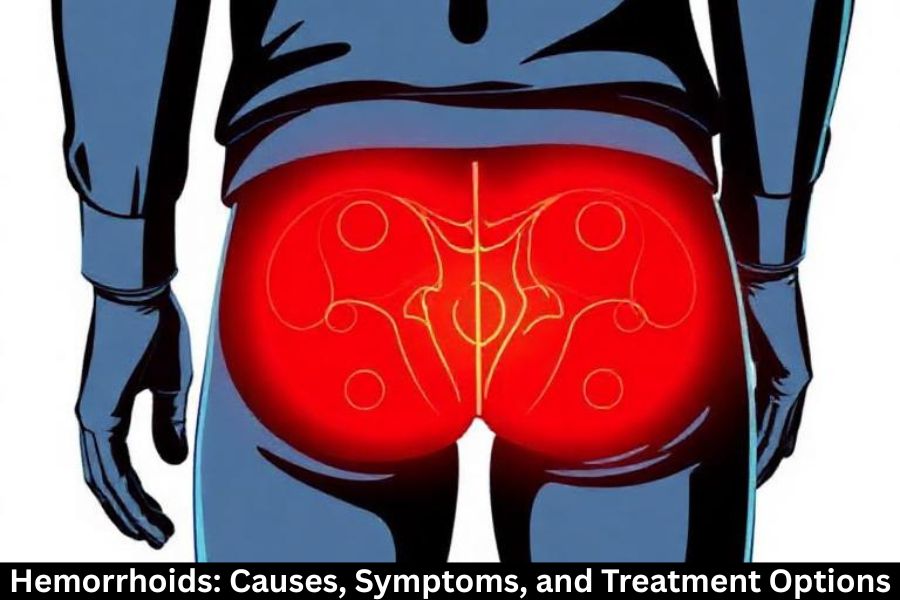
Hemorrhoids are swollen veins in the lower rectum or anus. Think of them like varicose veins but located where you least want them. They can form inside the rectum or around the anal opening, causing pain, itching, and sometimes bleeding.
How Common Are They?
Extremely common. Nearly 75% of people will experience hemorrhoids at least once in their lifetime. They’re especially frequent among adults over 45, pregnant women, and individuals with chronic digestive issues.
Types of Hemorrhoids
Hemorrhoids come in different forms, and understanding them helps you know what symptoms to expect and what treatments may work best.
Internal Hemorrhoids
These form inside the rectum and often aren’t visible. They typically cause painless bleeding during bowel movements and may protrude through the anus (prolapse).
External Hemorrhoids
These develop under the skin around the anus. They can be itchy, painful, and sometimes bleed. You may feel a sensitive lump when sitting or wiping.
Thrombosed Hemorrhoids
When a blood clot forms inside an external hemorrhoid, it becomes severely painful. The area may appear bluish or purple, and swelling can be significant.
Causes of Hemorrhoids
You may wonder—why do hemorrhoids happen in the first place? The truth is, several everyday habits and conditions increase the pressure in your lower rectum.
Chronic Straining
Straining while passing stool is one of the biggest culprits. It puts pressure on the rectal veins, making them swell.
Low-Fiber Diet
A diet lacking in fiber leads to hard stools, which require more force to pass, causing hemorrhoids to develop or worsen.
Prolonged Sitting
Sitting for long periods—especially on the toilet—can increase pressure on the veins.
Pregnancy and Childbirth
During pregnancy, increased abdominal pressure and hormonal changes can cause hemorrhoids. Childbirth, especially vaginal delivery, can worsen them.
Obesity
Extra weight puts additional pressure on abdominal and rectal veins.
Aging
As we age, tissues supporting the rectal veins weaken, making hemorrhoids more likely.
Symptoms of Hemorrhoids
Hemorrhoid symptoms can vary depending on their type and severity. Some people barely notice them, while others experience significant discomfort.
Pain or Discomfort
External hemorrhoids can be painful, especially when sitting or moving.
Itching or Irritation
Inflammation can cause persistent itching around the anal area.
Bleeding During Bowel Movements
Bright red blood on toilet paper or in the toilet bowl is a common sign of internal hemorrhoids.
Swelling or Lumps Around the Anus
External hemorrhoids may appear as swollen lumps that you can feel.
Diagnosis
Diagnosing hemorrhoids is usually straightforward.
Physical Examination
A healthcare provider may visually examine the anal area for external hemorrhoids.
Anoscopy or Endoscopy
For internal hemorrhoids, a small tube with a light may be inserted to inspect the rectal canal.
Home Remedies and Lifestyle Changes
Thankfully, most hemorrhoids can be managed right at home.
Increasing Fiber Intake
Fiber softens stool and makes it easier to pass. Aim for fruits, vegetables, legumes, and whole grains.
Staying Hydrated
Drinking plenty of water prevents constipation and reduces straining.
Warm Sitz Baths
Soaking the lower body in warm water for 10–15 minutes can soothe irritation and reduce swelling.
Regular Exercise
Physical activity helps improve digestion and reduce pressure on the rectal veins.
Avoiding Straining
Take your time in the bathroom, but don’t stay longer than necessary. Avoid holding your breath or pushing forcefully.
Medical Treatments
If home remedies aren’t enough, medical treatments can help.
Over-the-Counter Treatments
Creams, ointments, and medicated wipes help reduce pain, swelling, and itching.
Prescription Medications
Stronger creams or suppositories may be recommended for severe cases.
Minimally Invasive Procedures
When symptoms persist, minimally invasive options may be needed.
Rubber Band Ligation
A rubber band cuts off blood supply to internal hemorrhoids, causing them to shrink.
Sclerotherapy
A chemical solution is injected to shrink the hemorrhoid.
Infrared Coagulation
Heat is used to harden and shrink the hemorrhoid.
Surgical Options
In severe or recurrent cases, surgery may be necessary.
Hemorrhoidectomy
The removal of hemorrhoids through a surgical procedure.
Hemorrhoid Stapling
A procedure that blocks blood flow to hemorrhoidal tissue.
Prevention Tips
Simple lifestyle practices can go a long way in preventing hemorrhoids.
Healthy Bathroom Habits
Don’t delay bowel movements, and avoid straining.
Proper Fiber Consumption
Keep your diet rich in fiber to maintain healthy digestion.
Staying Active
Movement improves bowel function and reduces pressure in the rectal area.
When to See a Doctor
Seek medical help if:
- You notice severe or persistent bleeding
- Pain becomes unbearable
- Symptoms do not improve with home care
- You develop a thrombosed hemorrhoid
Conclusion
Hemorrhoids may be uncomfortable, but they’re far from uncommon or untreatable. With the right mix of home care, lifestyle adjustments, and medical treatments when needed, most people can find relief and prevent future flare-ups. Remember—your comfort and digestive health matter, so don’t hesitate to seek help if symptoms persist or worsen.
FAQs
Can hemorrhoids go away on their own?
Yes, mild hemorrhoids often improve with home care, such as increasing fiber and taking sitz baths.
Are hemorrhoids a sign of cancer?
No, hemorrhoids are not cancerous, but rectal bleeding should always be evaluated by a doctor.
How long do hemorrhoids take to heal?
Most mild cases improve within a week, while severe cases may take longer or require treatment.
Is it okay to use over-the-counter creams daily?
Short-term use is fine, but prolonged use should be discussed with a medical professional.
Can exercise make hemorrhoids worse?
Heavy lifting can worsen symptoms, but light exercise like walking can help ease them.