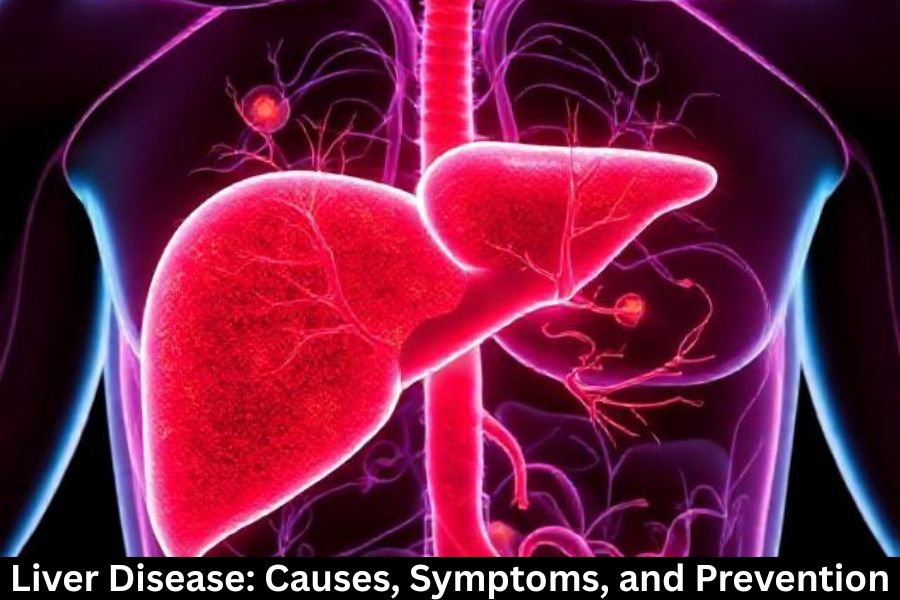
The liver is one of the most vital organs in the body, responsible for detoxifying harmful substances, aiding digestion, storing nutrients, and regulating metabolic processes. When the liver becomes damaged or its functions are impaired, it can lead to liver disease, a broad term covering many conditions that affect liver health. Early detection and preventive care are crucial because liver diseases often develop silently before noticeable symptoms appear.
What Is Liver Disease?
Liver disease refers to any condition that causes inflammation, damage, or impaired function of the liver. These conditions range from mild and reversible issues to severe and life-threatening illnesses such as cirrhosis or liver failure. Liver diseases can be acute (short-term) or chronic (long-term), depending on the cause and progression.
Common Causes of Liver Disease
Several factors can contribute to liver damage. Some of the most common causes include:
Alcohol Consumption
Excessive alcohol intake over time can lead to alcoholic liver disease, including fatty liver, alcoholic hepatitis, and cirrhosis. Long-term alcohol misuse is one of the leading preventable causes of liver damage.
Viral Infections
Certain viruses can infect the liver and cause inflammation:
- Hepatitis A – Usually spread through contaminated food and water.
- Hepatitis B – Transmitted through blood and body fluids.
- Hepatitis C – Spread mainly through contaminated needles or blood transfusions.
Non-Alcoholic Fatty Liver Disease (NAFLD)
This condition occurs when fat builds up in the liver in people who drink little to no alcohol. It is strongly linked to:
- Obesity
- Type 2 diabetes
- High cholesterol
- Sedentary lifestyle
Autoimmune Disorders
In autoimmune hepatitis, the immune system mistakenly attacks liver cells, causing inflammation and damage.
Genetic Conditions
Inherited disorders that affect liver function include:
- Hemochromatosis (iron overload)
- Wilson’s disease (copper accumulation)
Toxins and Medications
Overuse or misuse of some medicines—such as acetaminophen (paracetamol)—can injure the liver. Exposure to harmful chemicals and toxins can also contribute to liver disease.
Symptoms of Liver Disease
Liver disease often progresses silently, especially in the early stages. However, as damage worsens, symptoms may begin to appear, including:
Early Symptoms
- Fatigue and weakness
- Loss of appetite
- Nausea or vomiting
- Abdominal discomfort
Advanced Symptoms
- Jaundice (yellowing of the skin and eyes)
- Dark urine and pale stool
- Swelling in the legs and abdomen
- Persistent itching
- Easy bruising and bleeding
- Confusion or difficulty thinking (due to toxin buildup)
If you notice any of these signs, it’s important to seek medical attention for proper evaluation.
Prevention of Liver Disease
Many liver diseases can be prevented through healthy lifestyle choices and early medical care. Here are key steps to protect your liver:
Limit Alcohol Consumption
Avoid excessive drinking. Moderate alcohol intake—or no alcohol at all—significantly reduces liver damage risk.
Maintain a Healthy Weight
Obesity is closely linked to fatty liver disease. Regular exercise and a balanced diet can help prevent fat accumulation in the liver.
Practice Good Hygiene and Get Vaccinated
Vaccination can protect against hepatitis A and B. Practice safe hygiene and avoid contaminated food/water to reduce infection risk.
Avoid Sharing Needles or Personal Items
This helps prevent hepatitis B and C transmission.
Use Medications Carefully
Always follow dosage instructions and avoid combining medication with alcohol. Consult a doctor before using herbal supplements or multiple drugs.
Eat a Liver-Friendly Diet
- High in fruits, vegetables, whole grains
- Low in saturated fats, processed foods, and sugars
- Adequate hydration
Avoid Exposure to Harmful Chemicals
Wear protective gear when handling toxic materials and ensure good ventilation.
Get Regular Health Check-Ups
Routine blood tests and liver scans can detect early signs of liver damage before symptoms appear.
When to See a Doctor
Seek medical help immediately if you experience:
- Persistent jaundice
- Severe abdominal swelling
- Vomiting blood
- Confusion or disorientation
These may indicate severe liver dysfunction requiring urgent care.
Conclusion
Liver disease is a serious health concern, but many forms are preventable with the right habits and awareness. Understanding the causes and recognizing symptoms early can make a significant difference in treatment outcomes. By adopting a healthy lifestyle, limiting alcohol, avoiding risky behaviors, and getting regular medical checkups, you can protect your liver and support long-term well-being.
FAQ
What is liver disease?
Liver disease refers to any condition that affects the liver’s function, including inflammation, infection, fat buildup, scarring, or liver failure. It can be acute (short-term) or chronic (long-term).
What causes liver disease?
Common causes include:
- Excessive alcohol consumption
- Viral infections like hepatitis A, B, and C
- Non-alcoholic fatty liver disease (NAFLD)
- Autoimmune disorders
- Genetic conditions
- Certain medications or toxins
What are the early symptoms of liver disease?
Early symptoms may include fatigue, nausea, loss of appetite, abdominal discomfort, and mild weakness. Many people do not notice symptoms until the disease becomes advanced.
What are the signs of advanced liver damage?
Advanced symptoms can include jaundice (yellow skin and eyes), dark urine, pale stool, swelling in the legs or abdomen, itching, easy bruising, and confusion.
How is liver disease diagnosed?
Doctors may use blood tests, ultrasound scans, CT or MRI scans, liver biopsy, and physical exams to diagnose liver disease and identify the cause.