What Is Irritable Bowel Syndrome?
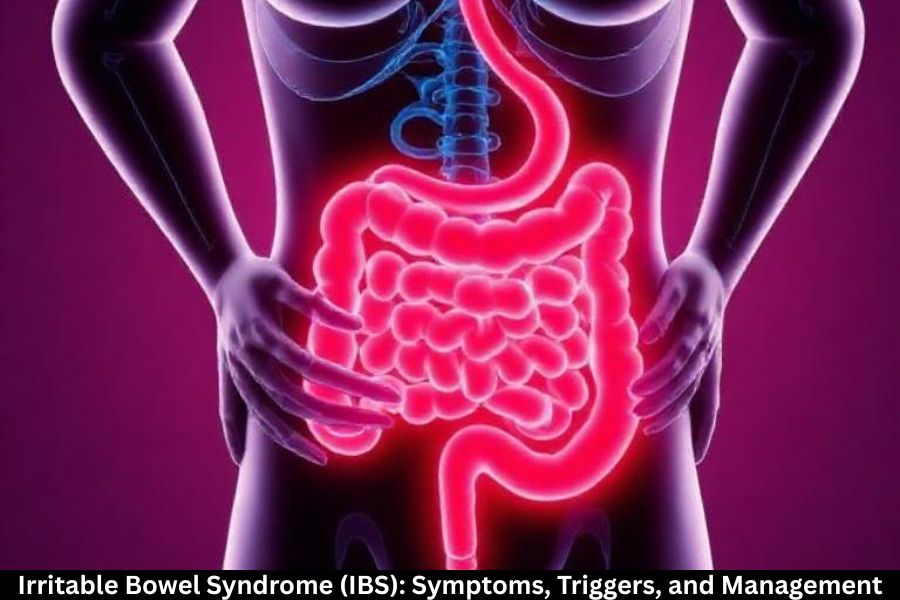
Irritable Bowel Syndrome (IBS) is a long-term digestive disorder that affects how the gut works. It doesn’t cause permanent damage, but the symptoms can be incredibly uncomfortable. Think of it like your gut throwing little tantrums—cramping, bloating, or unpredictable bathroom habits.
How Common Is IBS?
Millions of people worldwide struggle with IBS, and many don’t even realize they have it. It’s more common in women and often begins in early adulthood. Even though it’s not dangerous, it can seriously affect your lifestyle, confidence, and daily routines.
Understanding the Symptoms
Abdominal Pain and Cramping
Pain is usually the biggest red flag. It often reduces after a bowel movement and may come and go throughout the day.
Bloating and Gas
Feeling “full of air” or uncomfortable after eating is incredibly common in IBS. This happens because the gut becomes extra sensitive.
Diarrhea-Predominant IBS
Some people have frequent loose stools, urgency, and episodes of diarrhea.
Constipation-Predominant IBS
Others struggle with hard stools, straining, and fewer bowel movements.
Alternating Bowel Habits
Many experience both diarrhea and constipation at different times—like the gut can’t decide which direction to go.
Main Causes and Risk Factors
Gut-Brain Interaction Issues
IBS is often linked to miscommunication between the brain and the gut nerves.
Food Sensitivities
Common irritants include dairy, gluten, fried foods, and artificial sweeteners.
Stress and Mental Health
Stress doesn’t cause IBS, but it definitely makes it worse. When the mind is tense, the gut reacts.
Hormonal Influences
Women frequently notice flare-ups during periods due to hormonal shifts.
Previous Gastrointestinal Infections
Sometimes IBS starts after a bad stomach flu or food poisoning episode.
Common Triggers of IBS Symptoms
Dietary Triggers
Spicy Foods, Dairy, Gluten, Caffeine
These foods are notorious for causing bloating, cramps, or sudden urgency.
Lifestyle Triggers
Stress, Poor Sleep, Sedentary Routine
A tired, stressed body equals an irritated gut.
Diagnosing IBS
Rome IV Diagnostic Criteria
Doctors use criteria based on recurring abdominal pain for at least three months.
When to See a Doctor
Seek help if you notice:
- Blood in stool
- Sudden weight loss
- Severe, continuous pain
Tests to Rule Out Other Conditions
You may undergo blood tests, stool tests, or imaging to eliminate other causes like IBD, lactose intolerance, or celiac disease.
Effective Management and Treatment Options
Lifestyle and Dietary Adjustments
Low FODMAP Diet
This diet removes fermentable carbs that irritate sensitive guts.
Fiber Intake
Soluble fiber (like in oats) helps regulate stool consistency.
Adequate Water and Movement
Hydration + gentle daily movement = smoother digestion.
Medical Treatments
Medications for Pain, Constipation, and Diarrhea
Doctors may prescribe antispasmodics, laxatives, or anti-diarrheal medications depending on your symptoms.
Psychological Interventions
Stress Management Techniques
Meditation, breathing exercises, or yoga can make a big difference.
Cognitive Behavioral Therapy (CBT)
CBT helps manage the anxiety that often comes with IBS.
Long-Term Self-Care Tips
Keeping a Symptom Diary
Track what you eat, your stress levels, and symptoms to identify patterns.
Balanced Eating Patterns
Eat slowly, avoid overeating, and stick to regular mealtimes.
Regular Exercise
Even light walking helps stimulate gut movement.
Improving Sleep Quality
Good sleep reduces inflammation and stress, helping to calm your gut.
Myths and Misunderstandings About IBS
IBS vs. IBD
IBS is a functional disorder; IBD (like Crohn’s) is an inflammatory disease. They are NOT the same.
“IBS Is All in the Mind” Myth
IBS is a real physical disorder. Mind and gut are connected, but symptoms aren’t imaginary.
IBS Is Not Life-Threatening but Life-Affecting
You won’t die from it, but unmanaged IBS can seriously impact quality of life.
Conclusion
IBS is a complex but manageable condition. Understanding your symptoms, learning your triggers, and adopting a customized lifestyle plan can dramatically reduce flare-ups. From dietary changes to stress reduction, there are many ways to regain control and feel better every day. With patience and the right management approach, living comfortably with IBS is absolutely possible.
FAQs
Is IBS a lifelong condition?
IBS is typically chronic, but symptoms can greatly improve with lifestyle changes and proper treatment.
Can IBS be cured?
There’s no cure yet, but many people manage symptoms so well that they rarely experience discomfort.
Does stress make IBS worse?
Yes, stress is one of the biggest triggers and can intensify symptoms.
Are probiotics helpful for IBS?
Many people find relief with certain probiotics, but results vary from person to person.
Can children have IBS?
Yes, IBS can affect children and teens, and early management helps prevent long-term discomfort.