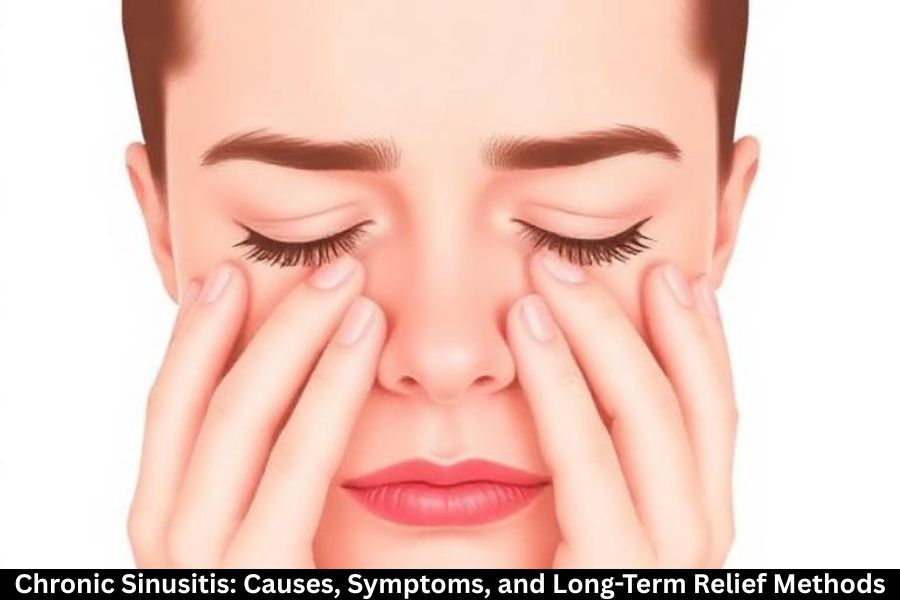
Do you feel like you’re constantly battling a blocked nose, headaches, or pressure around your eyes? If these symptoms stick around for more than 12 weeks, you may be dealing with chronic sinusitis. It’s more than just a seasonal cold — it’s a long-lasting inflammation of the sinuses that can impact daily life, productivity, and even sleep.
What Is Chronic Sinusitis?
Chronic sinusitis occurs when the tissues lining your sinuses remain swollen for an extended period. This swelling blocks mucus drainage, leading to discomfort and persistent symptoms.
How It Differs From Acute Sinusitis
- Acute sinusitis lasts about 1–2 weeks.
- Chronic sinusitis persists for 12 weeks or longer, despite medications and home remedies.
Causes of Chronic Sinusitis
Understanding the root cause is the first step toward effective treatment.
Allergies and Environmental Irritants
Allergens like pollen, dust mites, mold, and pet dander can irritate the nasal lining, causing ongoing inflammation.
Nasal Polyps
These soft, noncancerous growths inside the nose can block airflow and mucus drainage.
Deviated Nasal Septum
A bent or crooked nasal septum restricts sinus passages, increasing the risk of chronic infection.
Respiratory Tract Infections
Repeated viral or bacterial infections can prevent sinus tissues from healing properly.
Immune System Disorders
Conditions like immune deficiencies or autoimmune diseases may contribute to recurrent sinus issues.
Symptoms of Chronic Sinusitis
Chronic sinusitis is often mistaken for allergies or a lingering cold, but its symptoms are persistent and sometimes debilitating.
Persistent Nasal Congestion
A stuffy nose that doesn’t go away is one of the most common signs.
Facial Pain and Pressure
You may feel pressure around the forehead, cheeks, eyes, and nose.
Thick Nasal Discharge
Yellow or green mucus is typical and can drain down the throat (postnasal drip).
Reduced Sense of Smell and Taste
Constant inflammation affects your sensory receptors.
Constant Fatigue
Poor breathing and disturbed sleep add to overwhelming tiredness.
Long-Term Relief Methods
Chronic sinusitis often requires a combination of medical treatment and lifestyle changes.
Medical Treatments
Nasal Corticosteroid Sprays
These reduce inflammation and help unclog the nasal passages.
Antibiotics (When Needed)
Only used when a bacterial infection is confirmed or strongly suspected.
Immunotherapy
Allergy shots or drops may help if allergens are the primary cause.
Home and Lifestyle Remedies
Sometimes the simplest remedies bring the most relief.
Steam Inhalation
Inhaling warm, moist air helps loosen mucus and ease congestion.
Warm Compress
Applying a warm cloth to your face can reduce pain and pressure.
Nasal Irrigation
Using a saline rinse or neti pot helps flush out irritants and mucus.
Surgical Treatments
These are considered when medications and home remedies fail.
Functional Endoscopic Sinus Surgery (FESS)
A minimally invasive procedure that opens blocked sinus pathways.
Balloon Sinuplasty
A small balloon is inserted and inflated to widen the sinus openings.
Preventive Tips for Long-Term Relief
Staying consistent with preventive habits can greatly reduce flare-ups.
Managing Allergies
Use HEPA filters, avoid triggers, and take antihistamines as needed.
Hydration
Drink plenty of water to keep mucus thin and flowing.
Avoiding Triggers
Stay away from smoke, pollution, and strong fragrances.
When to See a Doctor
You should seek medical help if:
- Symptoms last longer than 12 weeks
- Over-the-counter treatments do not help
- You experience severe facial swelling or high fever
- Sinus issues affect your daily life or sleep quality
Conclusion
Chronic sinusitis can be frustrating, but understanding its causes and treatment options can help you regain control. With the right mix of medical care, home remedies, and preventive habits, long-term relief is absolutely possible. If symptoms persist, don’t hesitate to reach out to a healthcare professional — early intervention can make all the difference.
Frequently Asked Questions (FAQs)
Can chronic sinusitis go away on its own?
It may improve temporarily, but chronic sinusitis usually requires medical care to fully resolve.
Is chronic sinusitis caused by allergies?
Yes, allergies are one of the most common triggers.
What foods can help reduce sinus inflammation?
Ginger, garlic, citrus fruits, and spicy foods can help reduce mucus and inflammation.
How is chronic sinusitis diagnosed?
Doctors use medical history, physical exams, nasal endoscopy, or CT scans.
Is surgery always necessary for chronic sinusitis?
Not at all. Surgery is only recommended when medication and home treatments don’t work.