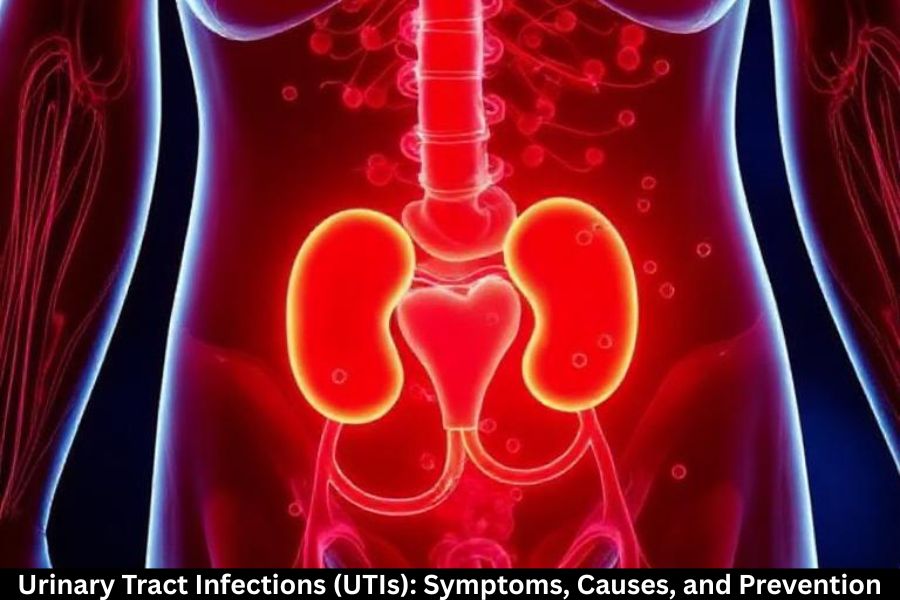
Urinary Tract Infections (UTIs) are among the most common bacterial infections, affecting millions of people each year. They occur when harmful bacteria enter and multiply in the urinary system, which includes the kidneys, ureters, bladder, and urethra. While UTIs can affect anyone, they are more common in women due to anatomical differences. Early recognition and proper treatment are essential to avoid complications and discomfort.
What Is a UTI?
A UTI is an infection that affects any part of the urinary tract. Most infections involve the lower urinary tract—the bladder (cystitis) and urethra (urethritis). More serious UTIs can affect the upper urinary tract, including the kidneys (pyelonephritis).
Common Symptoms of UTIs
Symptoms can vary based on the location and severity of the infection. Most UTIs present with:
Lower UTI Symptoms (Bladder and Urethra)
- A strong, persistent urge to urinate
- Burning sensation during urination
- Frequent urination, often passing small amounts
- Cloudy or strong-smelling urine
- Pain or pressure in the lower abdomen
- Urine that may appear red, pink, or cola-colored (indicating blood)
Upper UTI Symptoms (Kidneys) – More Serious
- High fever
- Back or side pain
- Nausea and vomiting
- Chills or shaking
Kidney infections require immediate medical attention to prevent serious complications.
Causes of UTIs
UTIs occur when bacteria, usually Escherichia coli (E. coli) from the digestive system, enter the urinary tract through the urethra. Common causes and risk factors include:
Female Anatomy
Women have a shorter urethra, making it easier for bacteria to travel into the bladder.
Sexual Activity
Sexual intercourse can introduce bacteria into the urinary tract.
Poor Bathroom Hygiene
Wiping from back to front can transfer bacteria from the anus to the urethra.
Holding Urine for Too Long
This allows bacteria to multiply in the bladder.
Menopause
Declining estrogen levels can weaken the urinary tract lining.
Urinary Catheters
Increase risk due to direct bacterial access.
Diabetes
Elevated blood sugar levels can encourage bacterial growth.
Blockages
Kidney stones or enlarged prostate (in men) can restrict urine flow, increasing infection risk.
Diagnosis of UTIs
Diagnosis typically involves:
- Urinalysis: Checks for white blood cells, red blood cells, and bacteria in urine.
- Urine Culture: Identifies the specific bacteria causing the infection.
- Imaging Tests: Ultrasound or CT scans if recurrent or complicated UTIs are suspected.
Effective Treatment Options
Antibiotics
The primary treatment for UTIs. The type and duration depend on the infection’s severity and the bacteria involved. Common antibiotics include:
- Nitrofurantoin
- Trimethoprim-sulfamethoxazole
- Ciprofloxacin (used less often due to resistance)
Pain Relief
Over-the-counter pain relievers like ibuprofen may reduce discomfort.
Increased Fluid Intake
Drinking plenty of water helps flush bacteria from the urinary tract.
Hospital Treatment (for severe UTIs)
Intravenous antibiotics may be required for kidney infections or infections that do not respond to oral medication.
Prevention Tips for UTIs
Taking preventive measures can significantly reduce the risk of UTIs, especially for individuals prone to recurrent infections.
Stay Hydrated
Drink enough water daily to promote frequent urination, which helps flush out bacteria.
Practice Proper Hygiene
Wipe from front to back to prevent bacterial transfer.
Urinate Before and After Sex
This helps clear bacteria introduced during intercourse.
Avoid Holding Urine
Go to the bathroom as soon as you feel the urge.
Wear Breathable Underwear
Cotton underwear reduces moisture, making it harder for bacteria to thrive.
Avoid Irritants
Products like scented feminine washes, douches, and bubble baths can irritate the urethra.
Consider Probiotics or Cranberry Products
Some studies suggest probiotics and cranberry juice/tablets may help reduce recurrence, though results vary.
Manage Chronic Conditions
Controlling diabetes or other underlying issues can lower infection risk.
When to See a Doctor
Seek medical attention if:
- Symptoms persist more than a day
- You experience fever, chills, nausea, or back pain
- UTIs keep recurring
- You are pregnant, as UTIs can pose additional risks
Early treatment ensures faster recovery and prevents complications.
Conclusion
Urinary Tract Infections are common but preventable and treatable with proper care. Understanding the causes, recognizing symptoms early, and adopting good hygiene and lifestyle habits can significantly reduce your risk. If you suspect a UTI, seeking timely medical attention will help you recover quickly and avoid complications.
FAQs
What is a UTI?
A Urinary Tract Infection (UTI) is an infection in any part of the urinary system, including the kidneys, bladder, urethra, or ureters. Most UTIs affect the bladder and urethra.
What causes UTIs?
UTIs are usually caused by bacteria—most commonly E. coli—entering the urinary tract through the urethra. Poor hygiene, sexual activity, dehydration, and certain health conditions can increase risk.
Who is at higher risk of getting UTIs?
Women, individuals with diabetes, people who use catheters, those with kidney stones, and anyone who frequently holds urine for long periods are at higher risk.
What are the common symptoms of a UTI?
Symptoms include:
- Burning while urinating
- Frequent urge to urinate
- Cloudy or strong-smelling urine
- Lower abdominal pain
- Blood in urine (sometimes)
If the kidneys are affected, symptoms may include fever, back pain, nausea, and chills.
Can men get UTIs?
Yes, men can get UTIs, though it is less common. When men get UTIs, they may be linked to prostate issues or urinary tract blockages.