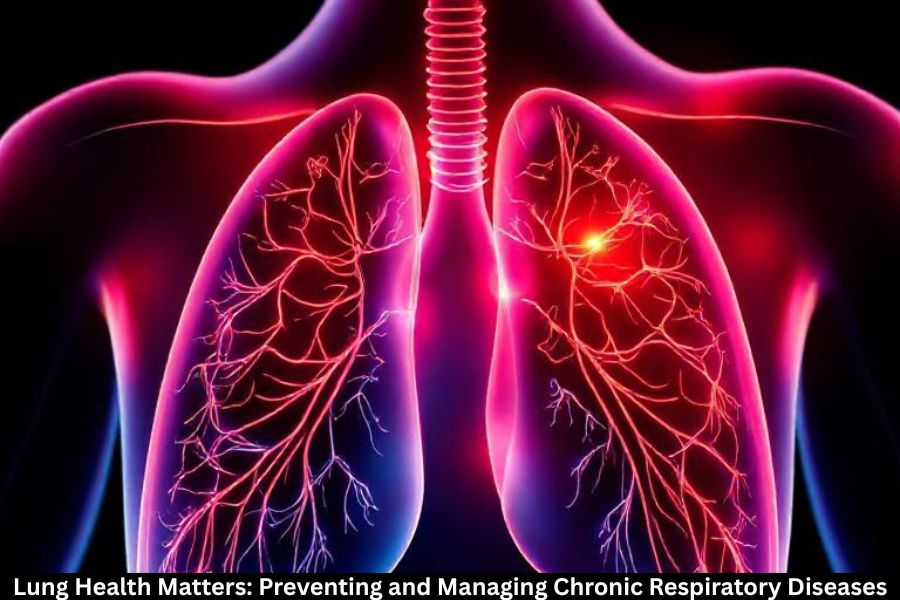
Breathing is something most of us take for granted — until it becomes difficult. Our lungs play a vital role in keeping us alive and active, supplying oxygen to every cell in the body and removing carbon dioxide. However, poor air quality, smoking, infections, and lifestyle habits can severely affect lung function, leading to chronic respiratory diseases that can impact quality of life.
Understanding how to protect and strengthen your lungs is essential to living a long, healthy life. This article explores the importance of lung health, common chronic respiratory diseases, their symptoms, and practical steps for prevention and management.
Why Lung Health Is So Important
Healthy lungs allow your body to efficiently take in oxygen and expel carbon dioxide. When lung function declines, oxygen levels drop, making it harder for your organs and tissues to function properly. Chronic respiratory diseases can lead to persistent shortness of breath, fatigue, and increased vulnerability to infections.
Since lung health can decline gradually, many people don’t notice problems until the condition becomes serious. Early awareness and preventive care are key to maintaining strong, healthy lungs.
Common Chronic Respiratory Diseases
Several chronic respiratory diseases (CRDs) affect millions worldwide. Here are some of the most prevalent:
Chronic Obstructive Pulmonary Disease (COPD)
COPD is a progressive lung disease that makes it difficult to breathe. It includes emphysema and chronic bronchitis, both caused by long-term damage to the lungs, often due to smoking or prolonged exposure to air pollutants.
Symptoms include:
- Shortness of breath
- Chronic cough with mucus
- Wheezing or chest tightness
Asthma
Asthma is a chronic condition where the airways become inflamed and narrow, leading to breathing difficulties. Triggers can include allergens, exercise, cold air, or stress.
Symptoms include:
- Coughing and wheezing
- Chest tightness
- Shortness of breath, especially at night or early morning
Pulmonary Fibrosis
This disease causes scarring (fibrosis) of the lung tissue, making it hard for lungs to expand and absorb oxygen. The exact cause is often unknown but may be linked to environmental exposure, infections, or autoimmune conditions.
Symptoms include:
- Dry cough
- Fatigue
- Shortness of breath during physical activity
Lung Cancer
Lung cancer remains one of the leading causes of cancer deaths worldwide. Smoking is the primary risk factor, but non-smokers can also develop it due to genetic or environmental influences.
Symptoms include:
- Persistent cough
- Chest pain
- Weight loss and fatigue
- Coughing up blood
Tuberculosis (TB)
A bacterial infection caused by Mycobacterium tuberculosis, TB primarily affects the lungs. It spreads through the air when an infected person coughs or sneezes.
Symptoms include:
- Prolonged cough
- Fever and night sweats
- Weight loss
- Fatigue
Causes and Risk Factors
Understanding what harms your lungs can help you prevent long-term respiratory issues. Common causes and risk factors include:
- Smoking – The leading cause of lung damage and COPD
- Air pollution – Both outdoor and indoor pollution (like smoke or chemical fumes)
- Occupational hazards – Exposure to dust, asbestos, or industrial chemicals
- Infections – Repeated respiratory infections weaken the lungs over time
- Genetics – Family history can increase susceptibility
- Sedentary lifestyle – Lack of physical activity reduces lung capacity
Symptoms to Watch For
If you notice these persistent signs, consult a healthcare provider for evaluation:
- Shortness of breath during normal activity
- A chronic cough lasting more than a few weeks
- Wheezing or whistling sounds while breathing
- Coughing up mucus or blood
- Fatigue and reduced stamina
Early detection allows for more effective treatment and better management of chronic lung conditions.
Prevention: How to Protect Your Lungs
Keeping your lungs healthy doesn’t have to be complicated. With consistent care and awareness, you can significantly reduce your risk of developing chronic respiratory diseases.
Quit Smoking
Smoking is the number one cause of preventable lung disease. Quitting — at any age — improves lung function and reduces the risk of COPD and cancer. Seek support groups, nicotine replacement therapy, or counseling to make the process easier.
Avoid Secondhand Smoke
Even if you don’t smoke, inhaling someone else’s smoke can harm your lungs. Avoid exposure to tobacco smoke in homes, workplaces, and public spaces.
Maintain Good Air Quality
- Keep indoor air clean by ventilating rooms.
- Use air purifiers if needed.
- Avoid using strong chemicals or aerosol sprays.
- Wear masks if you live in areas with high air pollution.
Get Vaccinated
Vaccinations for flu, pneumonia, and COVID-19 can prevent infections that worsen lung health.
Stay Physically Active
Exercise strengthens the respiratory muscles and increases lung capacity. Activities like brisk walking, swimming, and yoga improve breathing efficiency.
Eat a Nutrient-Rich Diet
Foods rich in antioxidants — such as fruits, vegetables, nuts, and green tea — can help reduce inflammation and protect lung tissue.
Practice Deep Breathing
Simple breathing exercises, such as diaphragmatic breathing or pursed-lip breathing, can improve lung function and oxygen flow.
Schedule Regular Checkups
Routine checkups and lung function tests can catch early signs of respiratory disease, even before symptoms appear.
Managing Chronic Respiratory Diseases
If you have been diagnosed with a chronic lung condition, proper management is key to improving your quality of life.
Follow Your Treatment Plan
Take prescribed medications, such as bronchodilators, corticosteroids, or antibiotics, exactly as directed.
Pulmonary Rehabilitation
This program combines exercise, education, and support to help improve lung function and reduce symptoms.
Monitor Your Symptoms
Keep track of your breathing, coughing, and energy levels. Report any sudden changes to your doctor.
Stay Hydrated
Drinking plenty of fluids helps thin mucus, making it easier to clear from the airways.
Avoid Triggers
Identify and minimize exposure to allergens, pollutants, or weather conditions that worsen your symptoms.
When to Seek Medical Help
Seek immediate medical attention if you experience:
- Sudden or severe shortness of breath
- Chest pain or pressure
- Blue lips or fingertips
- Confusion or dizziness
These could indicate a medical emergency, such as a severe asthma attack or respiratory failure.
Conclusion
Your lungs are your body’s life-sustaining powerhouses — caring for them should be a top priority. By avoiding harmful habits, maintaining a clean environment, exercising regularly, and seeking medical advice when needed, you can prevent or manage chronic respiratory diseases effectively.
Every breath you take is a reminder of your body’s resilience. Protect your lungs today, and they’ll keep you healthy and strong for years to come.